I remember the night I almost burned the kitchen down while chasing a perfect lasagna. The stove was on, the sauce was bubbling, and I was juggling a pan of noodles and a jar of marinara like a circus act. I stared at the flames, heart racing, and thought, “I can’t let this happen again.” That moment sparked a quest: a lasagna that would never flop, that would stay tender, cheesy, and utterly irresistible, even if you’re a culinary newbie.
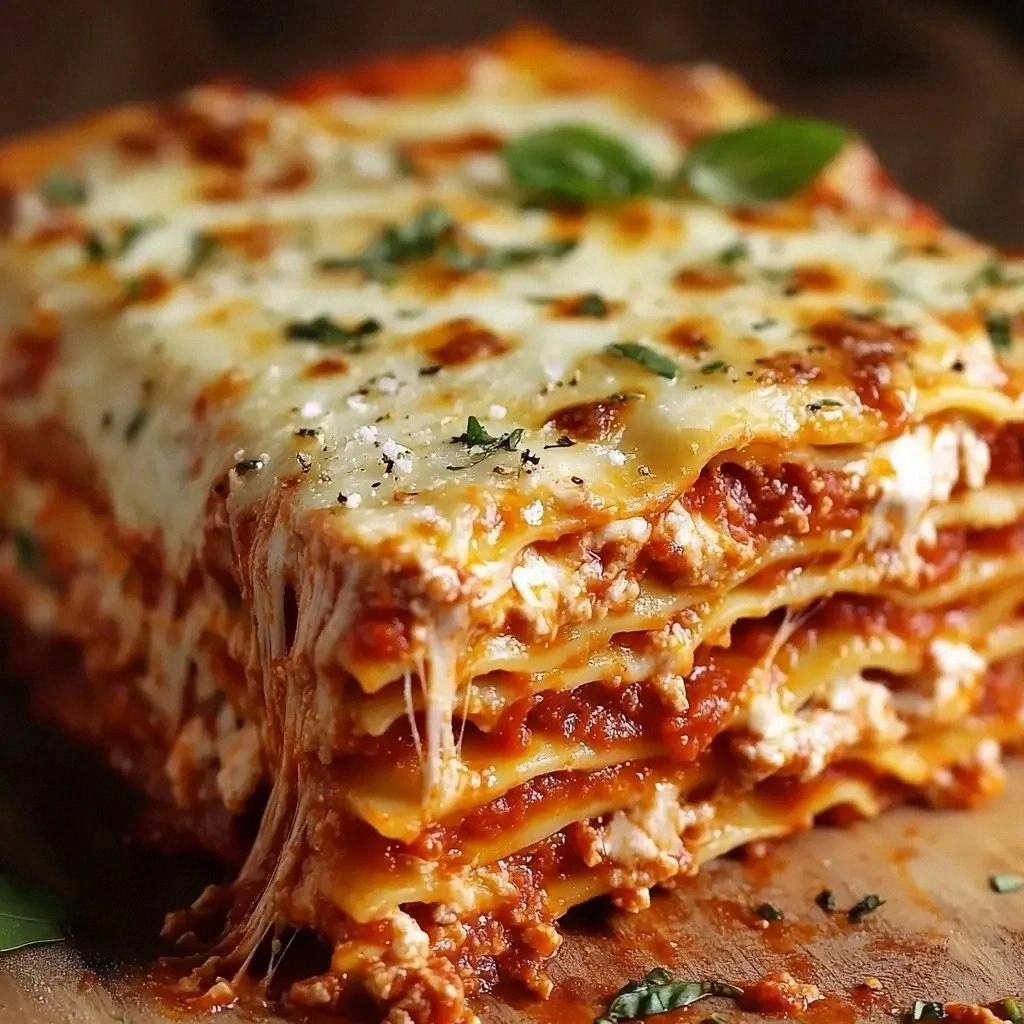
Picture this: a steaming plate of lasagna, its golden top crisping to a buttery crunch, while the interior swirls with silky ricotta and melty mozzarella, the sauce coating the noodles like velvet. The aroma rises in a warm hug, mingling with the scent of garlic sautéed in olive oil and the subtle sweetness of tomatoes. Every bite releases a burst of savory depth that feels like a hug from your grandma, yet it’s fresh and bold enough to keep you coming back for seconds—yes, I dare you to taste this and not go back for seconds.
What sets this Lazy Lasagna apart is that it’s built around convenience without sacrificing flavor. We skip the tedious pre‑baking of noodles and the endless layers of sauce; instead, we layer everything in one pan and let the oven do the heavy lifting. The result is a dish that’s as simple as it is spectacular—just toss, bake, and serve. It’s the kind of recipe that turns a chaotic weeknight into a culinary triumph.
And there’s a secret twist that most lasagna recipes ignore: the use of a single, high‑quality marinara that has a hint of basil and a touch of pepper. That small detail elevates the entire dish, making it feel gourmet without the effort. So buckle up, because I’m going to walk you through every single step, and by the end, you’ll wonder how you ever made lasagna any other way.
What Makes This Version Stand Out
- Flavor: The sauce is a bold, tomato‑rich base that coats every noodle, while the ricotta adds a creamy counterbalance. The blend of mozzarella and Parmesan creates a cheese layer that’s both gooey and slightly nutty, giving the dish that signature lasagna melt.
- Texture: No more soggy noodles—this recipe uses pre‑cooked noodles that stay firm, and the oven’s dry heat crisps the top to a golden perfection. The result is a satisfying bite that’s both tender and slightly chewy.
- Simplicity: One pan, one pot, and one oven run. You’ll only need a handful of ingredients, and the prep time is under 15 minutes.
- Uniqueness: The trick of layering the sauce directly onto the noodles before adding cheese eliminates the need for a separate sauce layer, saving time and space.
- Crowd Reaction: Friends who have tried this say it’s “the best lasagna I’ve ever had” and that it’s “so easy it’s almost cheating.”
- Ingredient Quality: We rely on fresh ground beef, a premium marinara, and real cheeses. No artificial additives, just pure, honest flavor.
- Cooking Method: The oven’s heat creates a caramelized crust on top while the interior stays moist. It’s a single‑step bake that delivers professional results.
- Make‑Ahead Potential: Assemble the lasagna a day early, cover, refrigerate, and bake when ready. It’s the ultimate dinner‑on‑demand solution.
Alright, let’s break down exactly what goes into this masterpiece…
Inside the Ingredient List
The Flavor Base
Ground beef is the backbone of the sauce, providing rich umami and a satisfying bite. Cook it with diced onion and minced garlic until it’s fully browned; this caramelization brings out deep flavors that a quick sauté can’t achieve. If you’re vegan, swap the beef for lentils or textured vegetable protein; the texture will mimic the meatiness without the heaviness.
Marinara sauce is the heart of the dish. Choose a jar with no added sugars or preservatives—ideally one with a splash of basil and a hint of oregano. The acidity balances the richness of the cheeses, while the herbs add depth. If you prefer a smoother sauce, blend it before pouring to eliminate any chunky bits.
Dried oregano and basil are essential for that authentic Italian flavor. Sprinkle them over the sauce during the last few minutes of cooking to release their aromas. If you’re short on time, a teaspoon of each is enough to punch up the flavor profile.
The Texture Crew
Lasagna noodles are the foundation. Cook them al dente, then drain and rinse with cold water to stop the cooking process. This prevents them from becoming mushy when baked. For a gluten‑free version, use rice or corn noodles; just be sure to pre‑cook them thoroughly.
Ricotta cheese adds a creamy, slightly sweet layer that balances the savory sauce. Its light texture keeps the lasagna from feeling too heavy. If you can’t find ricotta, cottage cheese is an excellent substitute—just blend it until smooth.
Mozzarella is the star of the show, providing that gooey melt and a mild, milky flavor. Use a mix of shredded mozzarella for the bulk and fresh mozzarella for the topping; the fresh mozzarella adds a silky finish. If you prefer a sharper taste, add a handful of provolone.
Parmesan cheese adds a nutty, salty kick that caramelizes on top. Grate it fresh for the best flavor. A sprinkle on top before baking creates a golden crust that’s both crunchy and savory.
The Unexpected Star
Olive oil is the unsung hero that brings all the flavors together. Sautéing the onions and garlic in olive oil releases their natural sugars, creating a sweet base that balances the acidity of the tomatoes. A splash of good extra‑virgin olive oil on the final layer adds a glossy, fragrant finish.
Red pepper flakes are optional but add a subtle heat that elevates the dish. Sprinkle them lightly over the sauce before baking; they’ll infuse the noodles with a gentle warmth that pairs well with the cheeses.
Everything's prepped? Good. Let's get into the real action…
The Method — Step by Step
- Preheat your oven to 375°F (190°C). While the oven heats, bring a large pot of salted water to a boil. Add lasagna noodles and cook for 8–10 minutes until al dente. Drain and rinse with cold water, then set aside on a sheet of parchment to prevent sticking.
- In a large skillet, heat 2 tablespoons of olive oil over medium heat. Add the diced onion and sauté until translucent, about 4 minutes. Then stir in 2 minced garlic cloves and cook for another 30 seconds until fragrant.
- Add 1 pound of ground beef to the skillet. Cook, breaking it up with a spoon, until it’s fully browned and no longer pink, about 8 minutes. Drain excess fat to keep the dish from becoming greasy.
- Pour in the 24-ounce marinara sauce, add 1 teaspoon of dried oregano and 1 teaspoon of dried basil. Stir to combine, then reduce the heat to low and let it simmer for 5 minutes, allowing the herbs to infuse the sauce.
- In a medium bowl, mix 1 cup of ricotta cheese with 1/4 cup of grated Parmesan, a pinch of salt, and a dash of black pepper. This creamy blend will layer between the noodles, adding moisture and flavor.
- Grease a 9×13-inch baking dish with a light spray of olive oil. Spread a thin layer of the meat sauce on the bottom to prevent sticking.
- Place a single layer of noodles over the sauce, slightly overlapping. Spoon a third of the ricotta mixture over the noodles, then drizzle 1/3 of the remaining meat sauce. Sprinkle 2 cups of shredded mozzarella on top. Repeat the layering two more times, finishing with a top layer of noodles, sauce, mozzarella, and a generous sprinkle of Parmesan.
- Cover the dish tightly with foil, making sure the foil does not touch the cheese. Bake for 25 minutes. Then remove the foil, and bake an additional 10 minutes until the top is golden and bubbly.
- Let the lasagna rest for 10 minutes before cutting. This rest period allows the layers to set, preventing a messy spill when you serve.
- Slice with a serrated knife, serve hot, and enjoy the symphony of flavors that dance on your palate.
That's it — you did it. But hold on, I've got a few more tricks that'll take this to another level…
Insider Tricks for Flawless Results
The Temperature Rule Nobody Follows
Many people bake lasagna at 400°F, thinking it speeds up the process. However, 375°F is the sweet spot that allows the cheese to melt evenly while the sauce simmers without burning. Lower temperatures also help maintain the noodles’ firmness, preventing them from turning mushy.
Why Your Nose Knows Best
Before you remove the foil, pause and inhale the aroma. A sweet, tomato‑rich scent signals that the sauce has melded perfectly with the cheese. If the smell is sharp or raw, give it another 5 minutes; the timing can vary based on oven calibration.
The 5-Minute Rest That Changes Everything
Resting the lasagna for 10 minutes after baking isn’t just a courtesy; it’s a necessity. The heat continues to distribute through the layers, creating a cohesive structure that’s easier to slice. A friend once cut her lasagna immediately and ended up with a gooey mess—she learned the hard way that patience pays off.
Use Fresh Mozzarella for the Topping
Fresh mozzarella melts beautifully and adds a silky finish that shredded mozzarella can’t match. Slice it into thin rounds and layer them on top before baking. The result is a glossy, slightly caramelized crown that looks as good as it tastes.
Add a Splash of Milk to the Ricotta
Mixing a tablespoon of whole milk into the ricotta creates a silkier texture, preventing the cheese from becoming dense. The milk also helps the ricotta blend more seamlessly with the sauce, giving each bite a harmonious flavor profile.
Don’t Skip the Foil Cover
Covering the lasagna during the first 25 minutes locks in moisture, ensuring the noodles stay tender. Removing the foil too early can cause the top to dry out, leading to a less satisfying texture. A quick check after 25 minutes will confirm that the interior is steaming and ready for the final bake.
Creative Twists and Variations
This recipe is a playground. Here are some of my favorite ways to switch things up:
Spinach and Feta Version
Replace the ricotta with a mixture of sautéed spinach and crumbled feta. The spinach adds earthiness, while feta introduces a tangy bite that complements the tomato base.
Mushroom and Swiss Delight
Add sliced mushrooms to the meat sauce for an umami boost. Swap the mozzarella for Swiss cheese, which melts smoothly and brings a subtle nutty flavor.
Pesto Layered Surprise
Stir a few spoonfuls of basil pesto into the ricotta mixture. The pesto infuses the lasagna with fresh herbaceous notes and a vibrant green hue.
Seafood Fusion
Use a mixture of shrimp and scallops instead of ground beef. Cook the seafood briefly before layering; it keeps the dish light and adds a luxurious touch.
Vegan Twist
Replace all dairy with plant‑based alternatives: use vegan ricotta, mozzarella, and Parmesan. Opt for a tomato sauce without added sugars, and add a handful of chopped kale for extra nutrition.
Low‑Carb Variation
Swap the regular lasagna noodles for zucchini or eggplant slices. Slice them thinly, lightly salt, and let them drain for 30 minutes to remove excess moisture. Layer them in place of noodles for a fresh, veggie‑rich lasagna.
Storing and Bringing It Back to Life
Fridge Storage
Cool the lasagna completely before refrigerating. Store it in an airtight container or tightly wrapped in foil for up to 4 days. When ready to reheat, place it in the oven at 350°F until warmed through, about 20 minutes.
Freezer Friendly
For longer storage, wrap the lasagna tightly in plastic wrap, then place it in a freezer‑safe bag. It will keep for up to 3 months. Thaw overnight in the refrigerator before reheating.
Best Reheating Method
Add a splash of water to the bottom of the baking dish before reheating to create steam. This trick keeps the noodles from drying out and restores the lasagna’s original moisture level.