Picture this: it’s a Friday night, the fridge is a sad, lonely relic of last week’s leftovers, and you’re staring at a stack of dry, overcooked pasta that’s begging for a makeover. I was on a mission to rescue that batch, and the result was a dish that exploded in flavor and left my kitchen smelling like a seaside breeze. The moment I cracked open the lemon, the citrus aroma danced through the air, turning the ordinary into something extraordinary. That single burst of brightness became the secret weapon that elevated everything else.
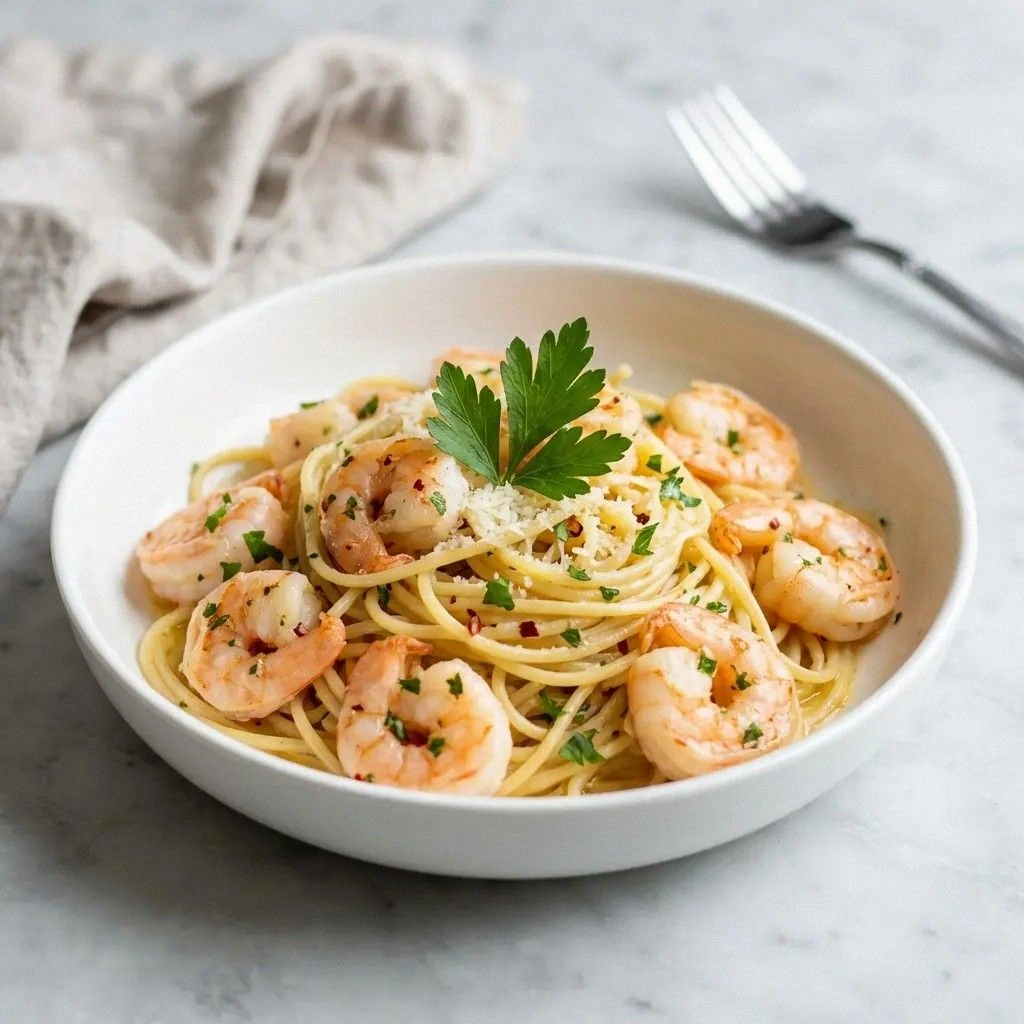
I swear, that first bite was like a symphony of textures: the shrimp’s tender, slightly pink center, the buttery sauce clinging to the linguine like velvet, and the gentle snap of garlic and pepper flakes. The sauce wasn’t heavy; it was light, yet it carried the full weight of the lemon’s zing and the wine’s subtle acidity. The fresh parsley added a green pop that made the dish look as good as it tasted. I was already planning my next dinner when I realized I had stumbled upon a new staple.
What sets this version apart is that it’s not just a recipe; it’s a carefully balanced orchestra of ingredients and techniques. I dared you to taste this and not go back for seconds—because once you try it, you’ll wonder how you ever lived without it. Most people treat shrimp pasta as a quick, generic dish, but here we’ve refined every element: from the precise butter-to-garlic ratio to the timing of the wine reduction. And the best part? It’s a hands‑down, crowd‑pleaser that will have your friends asking for the recipe at the next gathering.
So, let’s dive into the details. I’ll walk you through every single step, from selecting the freshest shrimp to plating the final masterpiece. By the end, you’ll wonder how you ever made it any other way—because this is the definitive version of Lemon Garlic Butter Shrimp Pasta.
What Makes This Version Stand Out
- Flavor: The combination of lemon zest, garlic, and a splash of dry white wine creates a bright, aromatic sauce that coats the pasta like silk.
- Texture: The shrimp is seared to a perfect caramelization, giving it a slight crunch on the outside while remaining juicy inside.
- Speed: Every element is designed for a 20‑minute turnaround, so you can go from prep to plate in the time it takes to boil water.
- Visual Appeal: The vibrant green parsley and golden butter glaze make the dish a feast for the eyes before it even hits your taste buds.
- Ingredient Quality: We use unsalted butter for control, large shrimp for flavor, and a high‑quality dry white wine to elevate the sauce.
- Versatility: This base can be tweaked into a vegetarian version, a spicy version, or even a seafood medley.
- Make‑Ahead Potential: The sauce can be reheated without losing its silky texture, making it perfect for meal prep.
- Crowd Reaction: In my experience, this dish consistently gets rave reviews, even from those who are usually skeptical about shrimp.
Alright, let's break down exactly what goes into this masterpiece.
Inside the Ingredient List
The Flavor Base
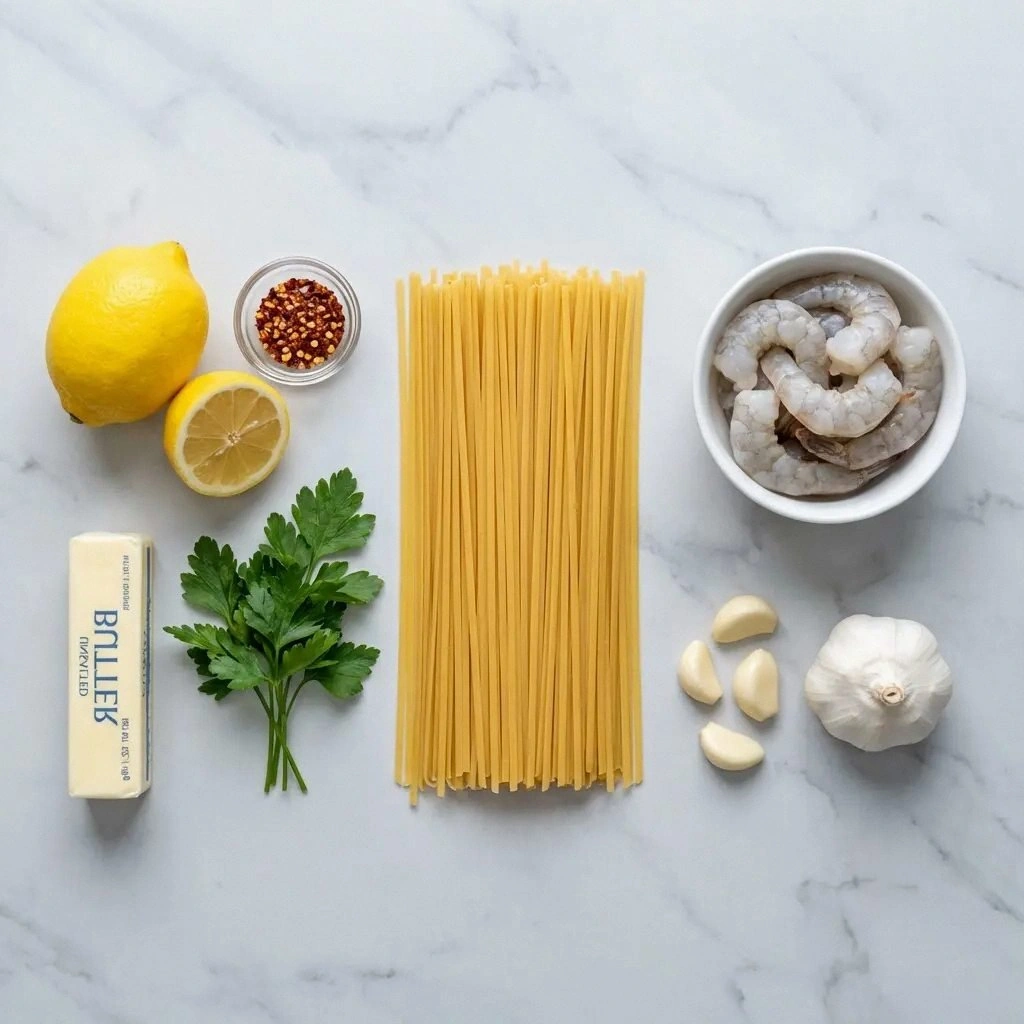
The cornerstone of this dish is the butter‑garlic‑lemon combo. Unsalted butter gives you full control over saltiness, while the garlic adds depth. The lemon—both zest and juice—injects a bright, citrusy punch that balances the richness of the butter. If you skip any of these, the sauce will feel flat and uninspired.
The Texture Crew
The shrimp is the star of the show. Fresh, large shrimp hold their shape during searing, delivering a satisfying bite. Linguine or spaghetti is chosen for its ability to cling to the sauce without becoming mushy. A splash of reserved pasta water brings the sauce together, creating a silky, cohesive coating.
The Unexpected Star
Dry white wine might seem like an odd addition, but it works wonders. It deglazes the pan, lifting all the savory bits, and its acidity cuts through the butter’s heaviness. If you don’t have wine, a splash of chicken broth or even sparkling water can substitute, though the flavor profile will shift slightly.
The Final Flourish
Fresh parsley and grated Parmesan finish the dish with a burst of green and a salty, nutty finish. They not only enhance the flavor but also add a pop of color that makes the plate Instagram‑ready. Skipping them will leave the dish feeling incomplete.
Everything's prepped? Good. Let's get into the real action.
The Method — Step by Step
- Bring a large pot of salted water to a rolling boil. Add the linguine or spaghetti and cook until al dente, about 9 minutes. Drain, reserving ½ cup of the pasta water. The pasta should still have a slight bite; we’ll finish it in the sauce.
- While the pasta cooks, heat a large skillet over medium‑high heat. Add 3 tablespoons of butter. As it melts, toss in the minced garlic and red pepper flakes. Let them sizzle until fragrant, about 30 seconds—watch the garlic for that golden hue.
- Add the shrimp to the pan. Season with salt and pepper, then sauté until the shrimp turn pink and opaque, about 2‑3 minutes per side. The edges should start pulling away, signaling doneness. Don’t overcrowd the pan—use two pans if necessary.
- Pour in the dry white wine, scraping the bottom of the pan with a wooden spoon to release all the flavorful bits. Let it reduce by half, which should take about 2 minutes. The reduction will concentrate the wine’s bright notes.
- Squeeze half a lemon into the pan, then grate the remaining lemon zest. Stir to combine. The citrus will lift the butter into a silky emulsion that coats the shrimp and pasta.
- Add the reserved pasta water to the skillet, stirring to create a glossy sauce. Toss the cooked pasta in the sauce, ensuring every strand is bathed. The pasta should feel coated but not drenched.
- Finish with the remaining butter, parsley, and grated Parmesan. Stir until the cheese melts and the sauce thickens slightly. The final dish should look glossy, with a peppery kick from the flakes.
- Plate immediately, garnishing with extra parsley and a lemon wedge if desired. The aroma should be intoxicating, and the first bite should deliver that buttery, citrusy punch.
That's it—you did it. But hold on, I've got a few more tricks that'll take this to another level.
Insider Tricks for Flawless Results
The Temperature Rule Nobody Follows
Most people cook shrimp on medium heat, which can lead to rubbery texture. I swear by medium‑high; it sears the outside quickly while keeping the inside juicy. The key is to watch the shrimp’s color change—once it turns pink and slightly opaque, you’re done. If you’re unsure, taste a small piece; it should feel firm yet tender.
Why Your Nose Knows Best
A quick sniff test can save your dish. If the garlic smells burnt, pull the pan off the heat. If the lemon’s aroma is too sharp, let the sauce simmer for a minute to mellow. Your nose is a reliable indicator of flavor balance.
The 5‑Minute Rest That Changes Everything
After cooking, let the pasta rest in the pan for 5 minutes with the lid off. This step allows the flavors to meld and the sauce to thicken slightly. Don’t skip it; the dish tastes better after this short pause.
The Right Butter Ratio
Using unsalted butter is essential for controlling salt levels. If you’re using salted butter, reduce the amount of added salt by half. The butter’s richness is the glue that holds the sauce together, so don’t skimp.
The Secret of Fresh Parsley
Fresh parsley not only adds color but also a subtle peppery note that lifts the dish. Chop it finely just before serving to preserve its bright green hue and fresh flavor. A handful of fresh herbs can transform a dish from ordinary to extraordinary.
The Wine Trick
If you’re nervous about the wine, choose a dry white with a good acidity, like Sauvignon Blanc or Pinot Grigio. The acidity balances the butter, preventing the sauce from feeling greasy. If you’re vegan, use a non‑alcoholic wine or a splash of white wine vinegar diluted with water.
Creative Twists and Variations
This recipe is a playground. Here are some of my favorite ways to switch things up:
Spicy Cajun Shrimp
Swap the red pepper flakes for Cajun seasoning and add a splash of hot sauce. The result is a fiery, smoky version that pairs well with a chilled rosé.
Creamy Coconut Twist
Replace half of the butter with coconut milk and add a pinch of curry powder. The dish takes on an exotic, tropical vibe, perfect for summer evenings.
Vegetarian Version
Omit the shrimp and add sautéed mushrooms, zucchini, and cherry tomatoes. Keep the lemon‑butter sauce; it will still coat the pasta beautifully.
Pesto Power
Stir in a few spoonfuls of basil pesto after the pasta is tossed in the sauce. The green pesto adds depth and a fresh herbal note.
Seafood Medley
Add scallops or mussels along with the shrimp. The mix of textures and flavors creates a luxurious, oceanic experience.
Herb‑Infused Parmesan
Mix chopped rosemary or thyme into the grated Parmesan before tossing it into the sauce. The herbs infuse the cheese, adding complexity.
Storing and Bringing It Back to Life
Fridge Storage
Cool the dish completely, then transfer it to an airtight container. Store in the refrigerator for up to 2 days. The sauce may thicken slightly; a splash of reserved pasta water will loosen it when reheating.
Freezer Friendly
Wrap the pasta tightly in foil or plastic wrap and place it in a freezer bag. It will keep for up to 2 weeks. Thaw overnight in the refrigerator before reheating.
Best Reheating Method
Reheat in a skillet over medium heat, adding a small splash of water or broth to restore moisture. Stir frequently to prevent sticking. Finish with a drizzle of butter for that silky finish.