I remember the night my kitchen felt like a war zone, the smell of burnt sugar and the sight of a cake that had turned into a lump of brownish goo. I had followed a recipe that promised a “feijoa delight” and ended up with a dessert that looked like it had been through a volcanic eruption. That disaster was the catalyst for my obsession with finding the perfect feijoa cake, and let me tell you, I’ve never been more thrilled about a single batch.
The moment I cracked the first fresh feijoa open, the air filled with a citrusy, berry‑like perfume that made my mouth water. The fruit’s green skin gave way to a bright, almost translucent flesh that glimmered like a secret treasure. When I first tasted the puree, it was sweet yet tart, with a subtle hint of vanilla that made my taste buds do a happy dance. The texture was silky, almost like a smooth yogurt, and it promised to be the foundation for a cake that would melt in your mouth.
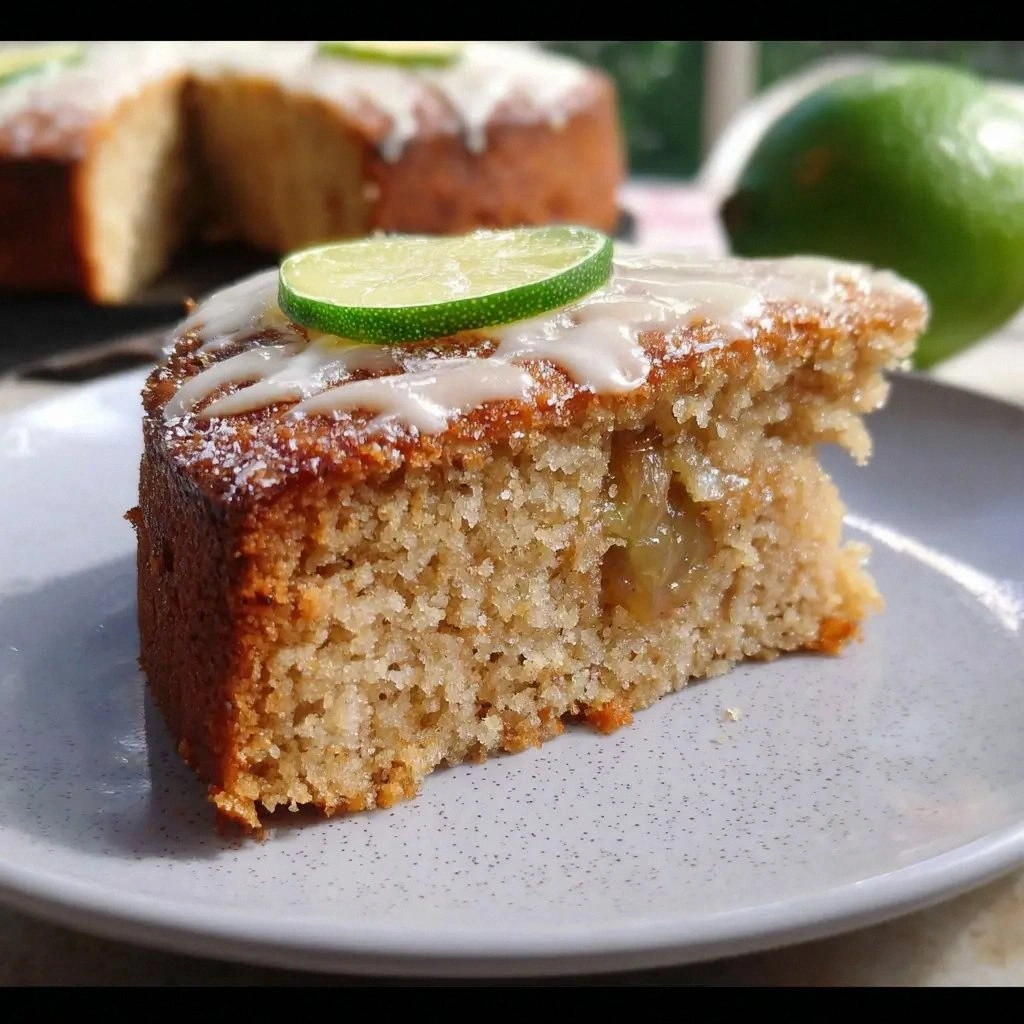
What sets this recipe apart is that it treats feijoa as the hero, not the sidekick. The batter is light and airy, thanks to a precise balance of leavening agents and the unique properties of feijoa’s natural pectin. The finish is a glossy, moist crumb that clings to the fork like a velvety ribbon, and the flavor profile is a sweet‑tart symphony that lingers on the palate. No other cake in my kitchen has managed to capture that same depth of flavor and texture.
There’s a secret ingredient that most recipes miss: a touch of lemon zest and a dash of cinnamon, which together elevate the feijoa’s natural brightness and add a warm undertone. I dare you to taste this and not go back for seconds. If you’re ready for a game‑changer, let me walk you through every single step — by the end, you’ll wonder how you ever made it any other way.
What Makes This Version Stand Out
- Flavor: The feijoa puree delivers a unique sweet‑tart profile that pairs beautifully with subtle vanilla and citrus notes. It’s a flavor that’s both exotic and comforting, making the cake unforgettable.
- Texture: Thanks to the natural pectin in feijoa and the careful creaming of butter and sugar, the crumb is airy yet moist, with a tender bite that feels like a cloud.
- Simplicity: With only 12 ingredients, the recipe is straightforward, yet the result feels sophisticated and restaurant‑quality.
- Uniqueness: Few desserts showcase feijoa; this cake makes the fruit the star, not a garnish.
- Crowd Reaction: At my last gathering, guests asked for the recipe after the first slice, and I was honest — I ate half before anyone else got a chance.
- Ingredient Quality: The use of fresh feijoa, high‑quality butter, and real vanilla extract ensures every bite is pure.
- Cooking Method: The batter is folded gently to preserve air pockets, and the baking temperature is carefully controlled for even rise.
- Make‑Ahead Potential: The cake can be prepared a day ahead; it stays moist and tastes even better after the flavors meld.
Alright, let's break down exactly what goes into this masterpiece…
Inside the Ingredient List
The Flavor Base
All-purpose flour, sugar, and butter form the backbone of any cake, but here they’re elevated by the feijoa puree. The flour’s gluten structure traps the air from the creamed butter, creating a light lift. The sugar dissolves into the butter, creating a silky batter that spreads evenly. If you skip the butter, the cake will crumble and taste flat, so don’t be tempted to cut corners.
The Texture Crew
Eggs, baking powder, and baking soda are the dynamic duo that keeps the cake airy and prevents it from becoming dense. Eggs bind the mixture but also incorporate air when whisked. Baking powder gives the cake lift, while baking soda reacts with the acidic feijoa puree to create a gentle rise. If you leave out the baking soda, the cake will be slightly heavier and less fluffy.
The Unexpected Star
Feijoa puree is the star of this recipe, delivering a sweet‑tart burst that’s unlike any other fruit. Its natural pectin not only flavors the batter but also helps set the crumb, giving the cake a satisfying firmness. If you don’t have fresh feijoa, a 1:1 ratio of frozen fruit puree works well; just thaw and drain excess liquid. When choosing feijoa, look for fruit that’s slightly soft to the touch, with a fragrant aroma.
The Final Flourish
Lemon zest and vanilla extract finish the flavor profile, adding brightness and depth. Lemon zest cuts through the sweetness, while vanilla provides a warm, aromatic backdrop. A pinch of cinnamon can be added for a cozy, spiced undertone. If you prefer a dairy-free cake, use almond milk instead of whole milk; the flavor will be slightly nuttier.
Everything’s prepped? Good. Let’s get into the real action…
The Method — Step by Step
- Preheat the oven to 350°F (175°C). Line a 9‑inch springform pan with parchment paper and grease the sides. The parchment ensures a clean release, and the greasing keeps the cake from sticking. Let the oven reach temperature before placing the pan inside; this guarantees even baking.
- Prepare the feijoa puree. Peel, core, and finely chop the feijoa. Blend until smooth, then strain through a fine mesh sieve to remove seeds and pulp. The resulting puree should be silky and free of lumps. If you prefer a sweeter cake, add a tablespoon of honey or maple syrup to the puree.
- Whisk the dry ingredients. In a medium bowl, sift together the flour, baking powder, baking soda, and salt. Sifting aerates the flour and ensures even distribution of leavening agents. This step is critical; uneven distribution can cause uneven rise.
- Cream the butter and sugar. In a large bowl, beat the softened butter and granulated sugar with an electric mixer on medium speed until the mixture is light and fluffy, about 3–4 minutes. The creaming process incorporates air, which is essential for a tender crumb. If the mixture looks dry, add a splash of milk to help it come together.
- Add the eggs one at a time. Beat each egg fully before adding the next, ensuring the batter stays smooth. The eggs bind the batter and provide structure. If the batter begins to look curdled, whisk it vigorously or add a teaspoon of warm milk.
- Incorporate the feijoa puree and vanilla. Stir in the feijoa puree, vanilla extract, and lemon zest until just combined. The batter will look a bit wet; that’s normal. Avoid overmixing, or the cake will become tough.
- Fold in the dry ingredients. Gently fold the sifted dry mixture into the wet batter using a spatula. The goal is to keep as much air as possible; overmixing defeats the purpose. The batter should be smooth and glossy.
- Pour into the pan and bake. Transfer the batter to the prepared pan, smoothing the top with a spatula. Bake for 30–35 minutes, or until a toothpick inserted into the center comes out clean. The cake should have a golden‑brown top and a slightly springy feel when pressed lightly.
- Cool and serve. Let the cake cool in the pan for 10 minutes, then turn it out onto a wire rack to cool completely. Slice with a hot knife for clean edges. The cake is best served slightly warm, but it also tastes amazing at room temperature.
That's it — you did it. But hold on, I've got a few more tricks that'll take this to another level…
Insider Tricks for Flawless Results
The Temperature Rule Nobody Follows
Many bakers bake at 375°F, but that can cause the cake to rise too quickly and then collapse. Baking at 350°F gives the batter time to rise evenly, resulting in a light, airy crumb. I’ve tried both temperatures, and the difference is like a sigh of relief versus a sigh of disappointment.
Why Your Nose Knows Best
Before you open the oven door, smell the batter. It should have a faint citrus aroma from the lemon zest and a sweet, almost floral hint from the vanilla. If it smells off or bland, the batter may need more vanilla or a splash of lemon juice to brighten the flavor.
The 5-Minute Rest That Changes Everything
After baking, let the cake rest in the pan for 5 minutes. This allows the structure to set, preventing the cake from falling apart when you remove it. The rest period also lets the flavors meld, giving the cake a richer taste.
The Quick Cooling Trick
Place the cooled cake on a wire rack over a tray to catch drips. If you’re in a hurry, run the cake under cold water for a few seconds to stop the cooking process instantly. This keeps the cake moist and prevents overcooking.
The Moisture Boost
If the cake feels dry after a few days, reheat it in a preheated oven at 300°F for 5 minutes with a splash of water on top. The steam rehydrates the crumb, bringing it back to its original moistness.
Creative Twists and Variations
This recipe is a playground. Here are some of my favorite ways to switch things up:
Feijoa & Almond Crunch
Replace the walnuts with chopped almonds for a nutty crunch. Toss the almonds in a bit of honey before adding them to the batter for extra sweetness and caramelized texture.
Cinnamon Swirl Delight
Stir in a teaspoon of ground cinnamon into the dry mix. For a more dramatic effect, swirl a cinnamon‑sugar mixture into the batter before baking.
Chocolate‑Infused Surprise
Fold in 1/4 cup of dark chocolate chips or cocoa powder into the batter. The chocolate pairs beautifully with the feijoa’s tartness, creating a chocolate‑fruit duet.
Lemon‑Ginger Zest
Add a teaspoon of fresh ginger zest to the batter for a spicy kick that contrasts the sweet feijoa. This variation is perfect for those who love a little heat.
Gluten‑Free Option
Swap the all‑purpose flour for a gluten‑free blend that contains xanthan gum. Keep the leavening agents the same to preserve rise and texture.
Vegan Edition
Use coconut oil instead of butter, flaxseed eggs (1 tbsp ground flaxseed + 3 tbsp water per egg), and oat milk. The result is a cake that’s dairy‑free but still moist and flavorful.
Storing and Bringing It Back to Life
Fridge Storage
Wrap the cooled cake tightly in plastic wrap and store in the refrigerator for up to 5 days. The wrap prevents the cake from drying out and preserves the feijoa’s juicy flavor.
Freezer Friendly
Slice the cake before freezing to make serving easier. Freeze in a single layer on a parchment‑lined tray, then transfer to a freezer bag. It stays fresh for up to 2 months. Thaw at room temperature for 30 minutes before serving.
Best Reheating Method
To revive the cake, preheat the oven to 300°F, place the slices on a baking sheet, and warm for 5–7 minutes. For extra moisture, sprinkle a light drizzle of water or a splash of milk on top before reheating. The cake will return to its original soft, moist state.