Picture this: it’s a rainy Saturday morning, the kind that makes you want to crawl under a blanket with a steaming mug, but the kids are already bouncing around demanding breakfast. I was halfway through a half‑hearted bowl of cereal when a sudden craving for something sweet, buttery, and downright comforting hit me like a bolt of lightning. I grabbed the nearest red apples, tossed a pinch of cinnamon into the air, and stared down at a stale loaf of white bread that begged for redemption. The kitchen turned into a laboratory of aromas, the kind that makes you feel like a mad scientist who just discovered the perfect formula for happiness.
The moment the butter hit the pan, I heard a sizzle that sang “welcome home.” The smell of caramelizing apples mingled with warm cinnamon, wrapping the whole kitchen in a hug that felt like a cozy sweater on a chilly day. My senses were assaulted—in a good way—by the glossy sheen of the butter, the sweet perfume of sugar melting into the apples, and the faint, comforting scent of toasted bread that promised a crunchy bite. I could almost taste the buttery crunch before the first bite even touched my tongue.
Most French toast recipes either drown the bread in a soggy egg bath or forget to give the fruit a proper caramelized finish. This version? It’s a game‑changer. I’m talking about a crisp, golden exterior that shatters like thin ice, a buttery interior that melts like silk, and apples that are caramelized just enough to give a whisper of tartness that cuts through the sweetness. The secret? A quick apple compote cooked in butter before the bread even sees the pan, and a precise egg‑milk soak that coats each slice without making it mushy.
I dare you to taste this and not go back for seconds. I’ll be honest— I ate half the batch before anyone else got a chance, and that’s because this is hands down the best version you’ll ever make at home. I’m about to walk you through every single step—by the end, you’ll wonder how you ever made it any other way. Okay, ready for the game‑changer?
What Makes This Version Stand Out
- Flavor Explosion: The caramelized apple‑cinnamon mixture adds a depth of flavor that typical syrup can’t match. Each bite feels like a cozy autumn evening, even in the middle of summer.
- Texture Symphony: We get a crisp, buttery crust on the outside while the inside stays soft and pillowy, creating a contrast that’s as satisfying as a perfectly timed drum solo.
- Simplicity Meets Sophistication: Only ten ingredients, most of which you already have, yet the result feels like a dish from a five‑star brunch spot.
- Ingredient Star Power: Red apples bring natural sweetness and a hint of tartness, while the dash of cinnamon turns the whole thing into a warm hug for your palate.
- Crowd‑Pleaser: Whether you’re feeding picky kids or a brunch‑savvy crowd, this dish gets rave reviews and repeat requests.
- Make‑Ahead Magic: The apple compote can be prepared ahead of time, letting you focus on the final fry‑up when guests arrive.
- Quick Turnaround: From prep to plate in under 35 minutes, perfect for lazy weekends or rushed mornings.
- Visual Wow Factor: Golden slices speckled with caramelized apple bits look as good as they taste, making Instagram‑ready plating a breeze.
Inside the Ingredient List
The Flavor Base
2 small red apples: These are the heart of the dish. Their natural acidity balances the sugar, while their firm flesh holds up to the butter‑sugar caramel without turning mushy. If you skip them, you lose the sweet‑tart contrast that makes this French toast sing. You can swap for Granny Smith if you like extra tartness, but keep the quantity the same.
The Sweet‑Spice Duo
1/4 cup white sugar: This provides the caramelization that coats the apples. It’s the glue that makes the compote glossy and slightly crisp on the edges. You could use brown sugar for a deeper molasses flavor, but the white sugar gives that clean, bright sweetness.
1/4 tsp cinnamon: Just a whisper of spice, but it transforms the apples into a warm, comforting bite. Too much cinnamon can overwhelm the delicate butter, so keep it modest. If you’re feeling adventurous, a pinch of nutmeg can add a subtle complexity.
The Texture Crew
1 1/2 tbsp butter (for apples): This is the holy grail of flavor. It carries the sugar into a caramel, coats the apple slices, and adds a rich, silky mouthfeel. Use real unsalted butter for best control; the pinch of salt later will balance it out.
2 tbsp water: A splash of water prevents the sugar from burning too quickly and helps create a gentle syrup that coats the apples. If you’re using a non‑stick pan, you can reduce the water to a teaspoon, but be vigilant for scorching.
The Final Flourish
4 slices white bread: Choose a sturdy, slightly thick slice—think Texas toast or a bakery‑style loaf. The bread must be able to soak up the egg‑milk mixture without disintegrating. If you use ultra‑soft sandwich bread, the result will be soggy.
2 eggs & 1/4 cup milk: This classic French toast custard gives the bread a golden, custardy interior. Beat them together until frothy; the air you incorporate helps the bread rise slightly when it hits the pan. For a richer custard, substitute half the milk with heavy cream.
2 tbsp butter (for frying): This is the butter that creates the crisp, caramelized crust. Use enough to coat the pan, but not so much that the toast swims in oil. The butter should foam and turn a light amber before you add the bread.
1 pinch salt: A tiny pinch amplifies all the flavors, especially the sweetness of the apples. It’s the secret weapon that makes the sweet taste less cloying.
Everything's prepped? Good. Let’s get into the real action…
The Method — Step by Step
Start by core‑ing the red apples and slicing them thinly—about a quarter‑inch each. This thickness ensures they soften quickly while retaining a slight bite. Place the slices in a cold skillet, add the butter, and let it melt over medium heat. That sizzle when it hits the pan? Absolute perfection. Once the butter foams, sprinkle the sugar evenly, letting it dissolve and begin to caramelize. Keep the heat moderate; you want a golden amber, not a burnt black.
When the sugar starts to bubble, add the cinnamon and water. The water will steam, loosening the caramel and preventing it from hardening too fast. Stir gently, allowing the apples to soak up the sweet‑spice syrup. After about two minutes, the apples should be glossy and just tender. Watch out: If the mixture starts to smoke, lower the heat immediately; you’re aiming for a sweet glaze, not a char.
While the apples cool, whisk together the eggs, milk, and a pinch of salt in a shallow dish. Beat until the mixture is uniformly frothy; this incorporates air, which helps the bread develop a light interior. If you like a hint of vanilla, add a splash now—it won’t overpower the cinnamon but adds a subtle depth.
Dip each slice of bread into the custard, allowing it to soak for about 10 seconds per side. The bread should be saturated but not falling apart. Press gently to ensure the mixture penetrates the edges, where the caramelized apples will later cling.
Heat a fresh skillet over medium‑high heat and add the remaining 2 tbsp of butter. Wait for the butter to foam and turn a light amber—this is the moment of truth. Lay the soaked bread slices into the pan, spacing them so they don’t crowd. The butter should immediately sizzle, creating a crackling sound that signals a crisp crust forming.
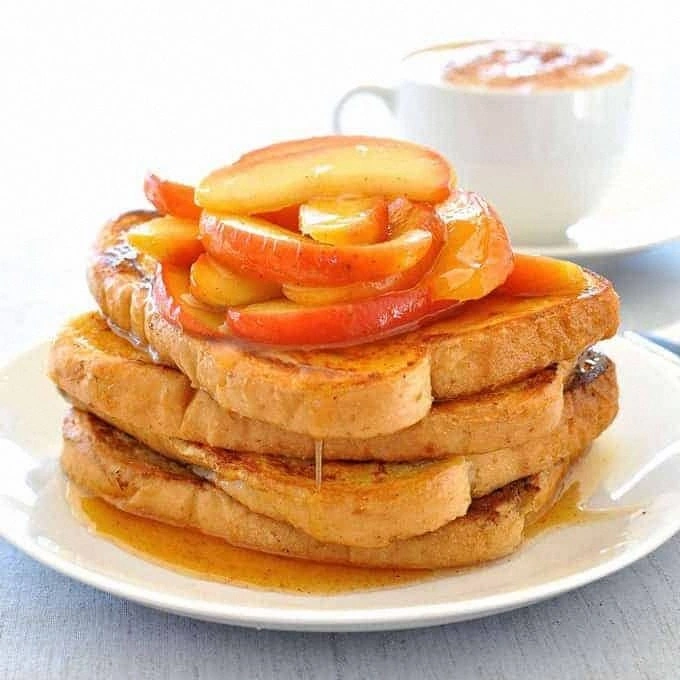
Cook each side for 3‑4 minutes, or until the surface is a deep golden brown and the edges start pulling away from the pan. Flip only once to maintain an even crust. As the toast cooks, spoon the caramelized apple mixture over the top, letting the syrup drizzle down the sides and soak into the bread. The aroma at this point is pure comfort—cinnamon, butter, and sweet apple swirling together.
Once both sides are beautifully browned, transfer the toast to a serving platter. Spoon any remaining apple‑cinnamon sauce over the top, allowing it to cascade like a golden waterfall. For an extra touch of elegance, dust lightly with a pinch of additional cinnamon or a drizzle of maple syrup if you’re feeling indulgent.
Serve immediately while the edges are still crisp and the apples are warm. Pair with a steaming mug of coffee or chai, and watch as the room fills with the scent of breakfast heaven. This next part? Pure magic. The first bite will reveal a buttery crunch, a soft, custardy interior, and caramelized apple pieces that melt on your tongue.
That's it — you did it. But hold on, I've got a few more tricks that'll take this to another level…
Insider Tricks for Flawless Results
The Temperature Rule Nobody Follows
Never start with a cold pan. Let your skillet warm for at least two minutes on medium heat before adding any butter. A properly heated pan ensures the butter immediately sizzles, forming that coveted crust without the toast absorbing excess oil. I once tried to save time by adding butter to a cold pan; the result was a greasy, soggy mess that no one wanted to touch.
Why Your Nose Knows Best
Trust the scent. When the butter turns a light amber and the apple mixture starts to emit a sweet, caramel fragrance, you’re at the perfect point to add the cinnamon. If you wait too long, the spice will become bitter; too early, and it won’t fully integrate. Your nose is a more reliable timer than any kitchen gadget.
The 5‑Minute Rest That Changes Everything
After you’ve cooked the apple compote, let it rest off the heat for five minutes. This pause lets the sugars settle and the apples finish cooking gently, preventing them from becoming overly soft. The result is a compote that holds its shape, delivering that satisfying bite in every forkful.
Butter Balance
Using two different batches of butter—one for the apples and one for frying—prevents the flavors from blending too much. The first butter becomes infused with apple sweetness, while the second stays pure, creating a crisp, buttery crust. If you combine them, you lose the nuanced layers that make this dish spectacular.
Seasonal Swap Strategy
If you’re making this in summer, try swapping the red apples for crisp pear slices and a touch of ginger. The pear adds a delicate sweetness, while ginger introduces a bright, peppery note that balances the butter. It’s a subtle twist that keeps the dish fresh year‑round.
Creative Twists and Variations
This recipe is a playground. Here are some of my favorite ways to switch things up:
Maple Bacon Bliss
Cook a handful of crisp bacon strips, crumble them, and fold into the apple mixture. Drizzle real maple syrup over the finished toast for a sweet‑savory combo that will have everyone reaching for seconds.
Nutty Crunch
Stir a tablespoon of chopped toasted walnuts or pecans into the caramelized apples. The nuts add a pleasant crunch and a nutty depth that pairs beautifully with cinnamon.
French Toast Sandwich
Layer two slices of the finished toast with a thin spread of cream cheese and a few extra apple slices. Press lightly and grill the sandwich for an indulgent, handheld treat.
Spiced Orange Zest
Add a teaspoon of fresh orange zest to the egg‑milk custard. The citrus brightens the flavor profile, turning the dish into a festive brunch centerpiece.
Vegan Version
Replace the eggs with a mixture of 1 tbsp ground flaxseed + 3 tbsp water (let sit 5 min) and use plant‑based milk and butter. The caramelized apples remain the star, and the texture stays delightfully fluffy.
Storing and Bringing It Back to Life
Fridge Storage
Place any leftover toast in an airtight container and store in the refrigerator for up to 2 days. The apples may absorb a bit of moisture, but you can revive them with a quick re‑heat.
Freezer Friendly
Wrap individual slices in parchment paper, then seal them in a freezer bag. They’ll keep for up to 2 months. When you’re ready, thaw overnight in the fridge.
Best Reheating Method
Preheat a skillet over medium heat, add a tiny splash of water (about a tablespoon) and cover with a lid for 2‑3 minutes. The steam revives the interior softness while the pan restores the crisp crust. Avoid microwaving—it makes the toast rubbery.