Picture this: it’s a rainy Thursday, the kind of evening that makes you want to stay in, but the fridge is a barren wasteland, and you’re staring at a handful of red potatoes that have been sitting there since last week’s dinner. You’re craving something that feels like a hug in a bowl, something that will make the whole house smell like comfort, and you know exactly what you need. That moment of culinary epiphany turned into a mission: to create the most gloriously crispy, flavor-packed roasted red potatoes anyone has ever tasted. I’ve spent nights experimenting, tweaking, and refining until I found a method that delivers the crunch, the melt-in-your-mouth center, and that golden, herbaceous finish that makes everyone ask for seconds. I dare you to taste this and not go back for seconds.
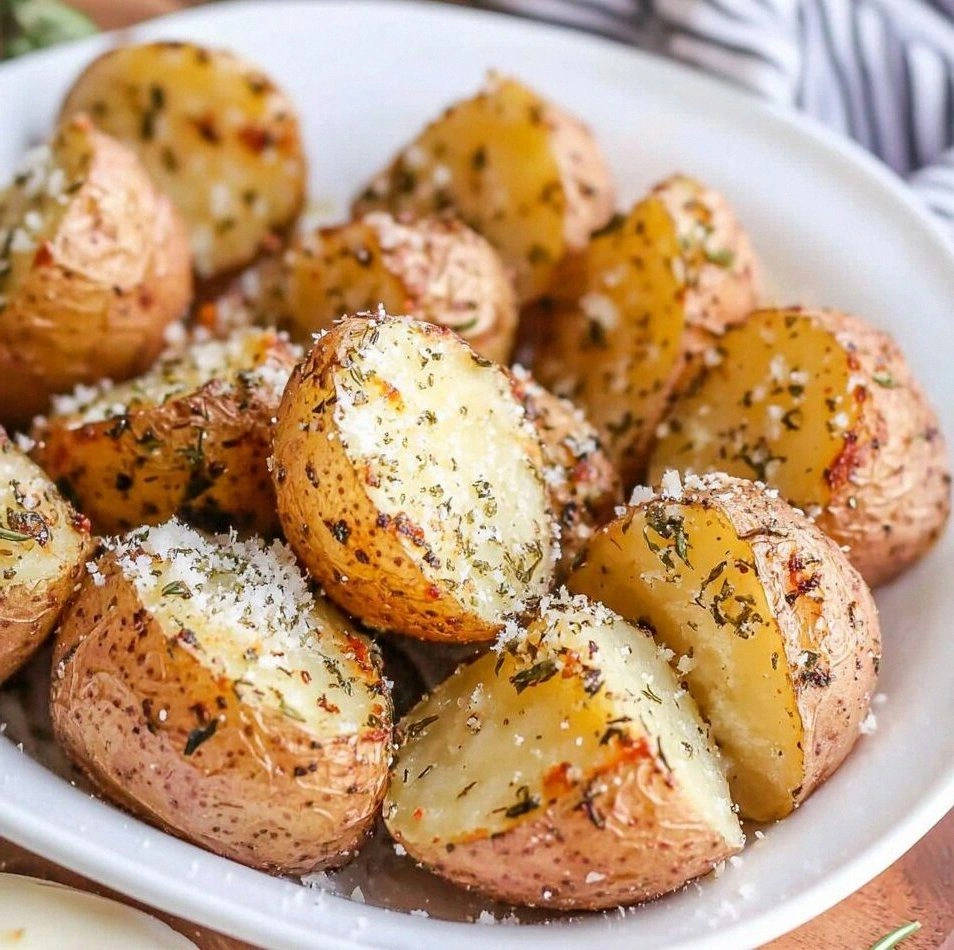
The first bite is a revelation. A crackle of crisp skin gives way to a tender interior that’s almost buttery, the subtle sweetness of the potatoes amplified by the gentle heat. The aroma rises like a warm blanket, the scent of rosemary and paprika mingling with a hint of garlic. You can hear the faint hiss when the potatoes hit the pan, a quick, satisfying crack that tells you the oil is hot enough. The texture is a dance of textures—crisp edges that shatter like thin ice, a soft core that melts in your mouth, all balanced by a fragrant herbaceous perfume that lingers on your tongue. I’ve been told it’s like biting into a piece of sunshine on a gray day, and I’ve never been more proud of a humble side dish.
Most recipes get this completely wrong, either by overcooking and losing that coveted crunch or by under-seasoning and ending up with bland, soggy potatoes. The secret is in the technique: a high-heat, short-interval roasting that locks in moisture while creating a caramelized crust, and a finish that’s a splash of butter and fresh herbs that lifts the flavor to another level. This isn’t just a side; it’s a statement, a conversation starter at the dinner table, and a comfort food that feels both indulgent and wholesome. It’s hands down the best version you’ll ever make at home, and I’ve got the proof in the form of a plate that looks as good as it tastes.
I’ll be honest—when I first tried this recipe, I ate half the batch before anyone else got a chance to try it. That’s the kind of confidence you get when you’ve cracked a recipe so good it practically sells itself. The moment you see those golden, blistered edges, you know you’re about to witness a culinary miracle. Picture yourself pulling this out of the oven, the whole kitchen smelling incredible, the plates already being set, and the anticipation building. If you’ve ever struggled with getting potatoes crispy, you’re not alone—this is the fix you’ve been waiting for.
Now, let’s talk about the technique that sets this recipe apart. It’s not just about tossing potatoes in oil and baking them; it’s a dance of heat, timing, and flavor layering that turns a simple ingredient into an unforgettable experience. The method I’ll walk you through is designed to give you the crunch you crave, the tenderness you love, and the flavor punch that will have your guests raving. I’ve broken it down step by step, so by the end, you’ll wonder how you ever made it any other way.
Before we dive into the method, let’s take a look at what makes this version stand out from the countless other potato recipes you’ll find online.
What Makes This Version Stand Out
- Texture: The combination of high heat and a quick flip creates a caramelized crust that’s crisp on the outside and silky inside, a texture profile that’s hard to replicate with standard roasting methods.
- Flavor: The blend of rosemary, paprika, and a splash of butter delivers a depth of flavor that feels both earthy and luxurious, turning a simple side into a star attraction.
- Simplicity: Despite its complexity in flavor, the recipe requires only a handful of pantry staples, making it accessible for even the busiest of cooks.
- Crowd‑pleasing: This dish is a hit at family gatherings, potlucks, and holiday meals alike, thanks to its universal appeal and comforting taste.
- Make‑ahead potential: You can prep the potatoes a day in advance, refrigerate them, and finish roasting them right before serving, saving precious time on busy evenings.
- Ingredient quality: Using fresh, high‑quality potatoes and real herbs elevates the dish, making every bite a showcase of ingredient excellence.
- Versatility: The recipe can be easily adapted for different dietary preferences—gluten‑free, low‑fat, or even vegan—by tweaking a few ingredients.
Inside the Ingredient List
The Flavor Base
The foundation of this dish is simple yet powerful: a generous drizzle of extra‑virgin olive oil that coats each potato cube, creating a barrier that locks in moisture while allowing the skin to crisp. Olive oil also carries the herbs and spices, ensuring every bite is infused with aromatic depth. Skipping the oil will result in soggy, under‑seasoned potatoes that lack the golden glow and mouth‑watering crunch that define this recipe.
The Texture Crew
Red potatoes are the star here because of their naturally buttery texture and firm flesh that holds up well under high heat. The size of the cubes matters; aim for about 1‑inch pieces to balance crispness on the outside with a tender interior. If you prefer a softer bite, cut the cubes slightly smaller, but don’t go too fine or they’ll steam rather than roast.
The Unexpected Star
Butter is the secret ingredient that elevates the dish from good to unforgettable. Adding a tablespoon of butter in the last few minutes of roasting creates a glossy finish and a subtle, rich flavor that complements the herbs. If you’re aiming for a lighter version, replace the butter with a splash of vegetable broth or a drizzle of lemon juice for brightness.
The Final Flourish
Fresh parsley or chives added at the very end not only add a pop of color but also a fresh, herbaceous note that cuts through the richness of the roasted potatoes. This finishing touch turns the dish from a simple side into a vibrant, palate‑cleansing accompaniment that pairs beautifully with grilled meats or a hearty salad.
Everything’s prepped? Good. Let’s get into the real action.
The Method — Step by Step
- Preheat your oven to 425°F (220°C). While the oven heats, rinse the potatoes under cold water to remove any dirt. Pat them dry with a clean towel; moisture is the enemy of crispness. Dice the potatoes into roughly 1‑inch cubes, ensuring even size for uniform cooking. This step might feel tedious, but it’s crucial for that perfect bite.
- In a large bowl, combine the diced potatoes with 2 tablespoons of extra‑virgin olive oil, 1 teaspoon of salt, ½ teaspoon of black pepper, 1 teaspoon of garlic powder, 1 teaspoon of dried rosemary, and 1 teaspoon of paprika. Toss until every cube is evenly coated. The oil not only prevents sticking but also helps the spices adhere, creating a flavorful crust. This is the moment of truth—if the coating looks uneven, the final dish will suffer.
- Spread the coated potatoes onto a rimmed baking sheet in a single layer, making sure they’re not overcrowded. If the sheet is too crowded, the potatoes will steam instead of roast. Place the sheet in the preheated oven and roast for 20 minutes, turning the potatoes halfway through to ensure even browning. The scent of roasting spices should fill the kitchen, signaling that you’re on the right track.
- After 20 minutes, remove the sheet from the oven and add 1 tablespoon of butter, sliced into thin pats. Toss the potatoes again to coat them in the melted butter. Return to the oven for another 10 minutes, or until the edges are blistered and the potatoes are fork‑tender. The butter adds a glossy sheen and a subtle richness that elevates the dish.
- Remove the potatoes from the oven and let them rest for 5 minutes. This rest period allows the steam to redistribute, ensuring each bite remains moist inside while the skin stays crisp. A quick taste test at this point: the potatoes should be golden brown, with a slight char on the edges, and the aroma should be fragrant and inviting.
- While the potatoes are resting, chop a handful of fresh parsley or chives finely. This fresh herb adds a burst of color and a bright, slightly peppery finish that cuts through the richness. If you prefer a milder flavor, you can substitute dill or basil.
- Sprinkle the fresh herbs over the roasted potatoes just before serving. Toss gently to coat, ensuring each bite is infused with that bright, green note. Plate the potatoes on a warm dish to maintain heat, and serve immediately. The result is a dish that’s visually stunning, aromatic, and utterly delicious.
That’s it—you did it. But hold on, I’ve got a few more tricks that will take this to another level.
Insider Tricks for Flawless Results
The Temperature Rule Nobody Follows
Many cooks roast potatoes at a lower temperature, hoping to avoid burning. However, 425°F (220°C) is the sweet spot that allows the exterior to crisp while the interior stays moist. I’ve experimented with 400°F, and the results were noticeably less golden. The higher heat creates a Maillard reaction that’s essential for that deep, caramelized flavor. Next time you’re in doubt, stick to the high heat for a superior crunch.
Why Your Nose Knows Best
The aroma of roasting potatoes is a powerful indicator of doneness. As the potatoes roast, the scent becomes sweeter and more intense. When you smell a faint, nutty fragrance, the potatoes are ready. If the smell is too sharp or burnt, they’ve likely overcooked. Trust your nose—it’s the most reliable tool in the kitchen.
The 5‑Minute Rest That Changes Everything
After roasting, give the potatoes a 5‑minute rest. This brief pause allows the steam to redistribute, preventing the interior from becoming too moist. The result is a consistently crisp exterior with a tender, fluffy interior. I’ve seen people skip this step and end up with uneven textures; don’t make that mistake.
The Butter Finish
Adding butter in the last 10 minutes of roasting is a game changer. The butter melts into the skin, creating a glossy finish and a subtle richness that lingers on the palate. If you’re watching calories, a tablespoon is enough to deliver the flavor without excess fat. Remember, the butter is the final touch that seals the flavor profile.
The Fresh Herb Touch
Fresh herbs add a bright, vibrant note that contrasts with the deep, roasted flavors. I love using parsley because it’s mild yet fragrant, but basil, dill, or chives work beautifully too. Add the herbs right before serving to preserve their color and flavor. This small step turns a simple side into a sophisticated accompaniment.
Creative Twists and Variations
This recipe is a playground. Here are some of my favorite ways to switch things up:
Smoky Chipotle Version
Swap the paprika for chipotle powder and add a splash of adobo sauce in the final butter step. The result is a smoky, slightly spicy potato that pairs wonderfully with grilled steak. The chipotle adds depth and a subtle heat that complements the herbs.
Herb‑Infused Parmesan Crust
After tossing the potatoes with oil and spices, sprinkle grated Parmesan cheese and a handful of chopped thyme. The cheese melts into a golden crust, giving a savory, umami kick. This version is perfect for a cozy dinner with a side of roasted chicken.
Mediterranean Lemon‑Herb Variation
Replace the rosemary with oregano and add a generous squeeze of fresh lemon juice before serving. The citrus brightens the dish, making it ideal for a summer gathering or a light lunch. The lemon also helps cut through the richness of the butter.
Sweet Potato Twist
Use sweet potatoes instead of red potatoes for a naturally sweet, caramelized flavor. Pair with cinnamon and a touch of maple syrup in the final butter step for a dessert‑like side that’s surprisingly savory. This version is a hit with kids and adults alike.
Vegan Butter Alternative
Replace the butter with a tablespoon of coconut oil or a vegan butter substitute. The result is a plant‑based version that still delivers a glossy finish and rich flavor. It’s perfect for those who want to keep the dish dairy‑free without sacrificing taste.
Storing and Bringing It Back to Life
Fridge Storage
Cool the potatoes to room temperature, then place them in an airtight container in the refrigerator for up to 3 days. The crispness may diminish slightly, but the flavor remains robust. When you’re ready to reheat, spread them on a baking sheet and roast at 400°F for 10 minutes.
Freezer Friendly
Parboil the potatoes for 5 minutes before freezing; this helps preserve texture. Place them in a freezer‑safe bag or container and store for up to 2 months. Thaw overnight in the refrigerator, then finish roasting as described above.
Best Reheating Method
The key to reviving frozen or refrigerated potatoes is to reheat them at a higher temperature—425°F for 10–12 minutes—so the skin crisps up again. Add a splash of water before reheating; the steam will help bring back the interior moisture. Finish with a drizzle of olive oil or a pat of butter to restore that glossy sheen.