Picture this: I’m standing in my cramped kitchen, the stove already buzzing from a half‑cooked batch of rice that went soggy, and my stomach growling louder than the oven timer. A friend texts me, “You need to try the Panda Express honey shrimp, but make it at home.” I was skeptical, but the craving was relentless. I grabbed a handful of shrimp, a jar of honey, and a bottle of avocado oil, and I was about to rewrite a classic fast‑food staple into something that would make my taste buds do the salsa.
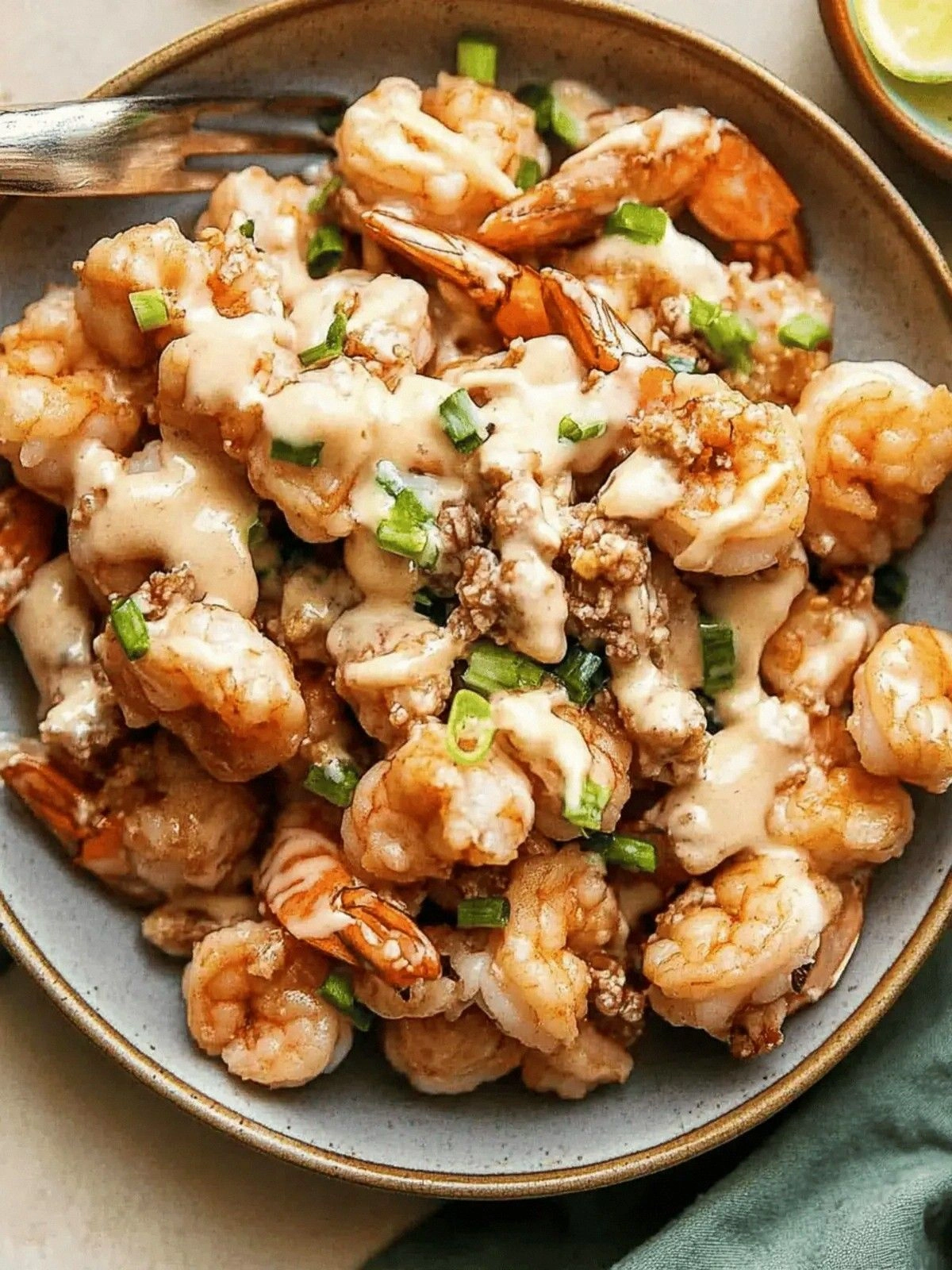
The first thing you notice is the aroma—sweet honey mingling with the nutty scent of toasted walnuts, all wrapped in a glossy, caramelized coating that sings when it hits the pan. The sound is a satisfying sizzle, a quick crackle that tells you the oil is hot enough, and the texture is a buttery crunch that gives way to tender, plump shrimp. The colors are a vibrant amber glaze, a pop of green from scallions, and the deep brown of walnuts that add a subtle bitterness. The taste? A harmonious blend of sweet, savory, and umami, with a hint of citrus from the scallion that lifts everything. I dare you to taste this and not go back for seconds.
Why does this version stand out from the rest? Because it’s not just a copy‑cat recipe. I’ve tweaked the coating to be crisp yet airy, used avocado oil for its high smoke point and subtle flavor, and added a splash of evaporated milk to keep the batter silky. I swapped standard mayo for a lighter version to keep the dish from feeling greasy, and I incorporated fresh scallions for that bright, oniony kick. The walnuts add a crunchy contrast that feels like a secret ingredient in a high‑end restaurant. Most recipes get this completely wrong, but here’s what actually works: a perfect balance of sweet, salty, and nutty, with a coating that doesn’t stick to the pan.
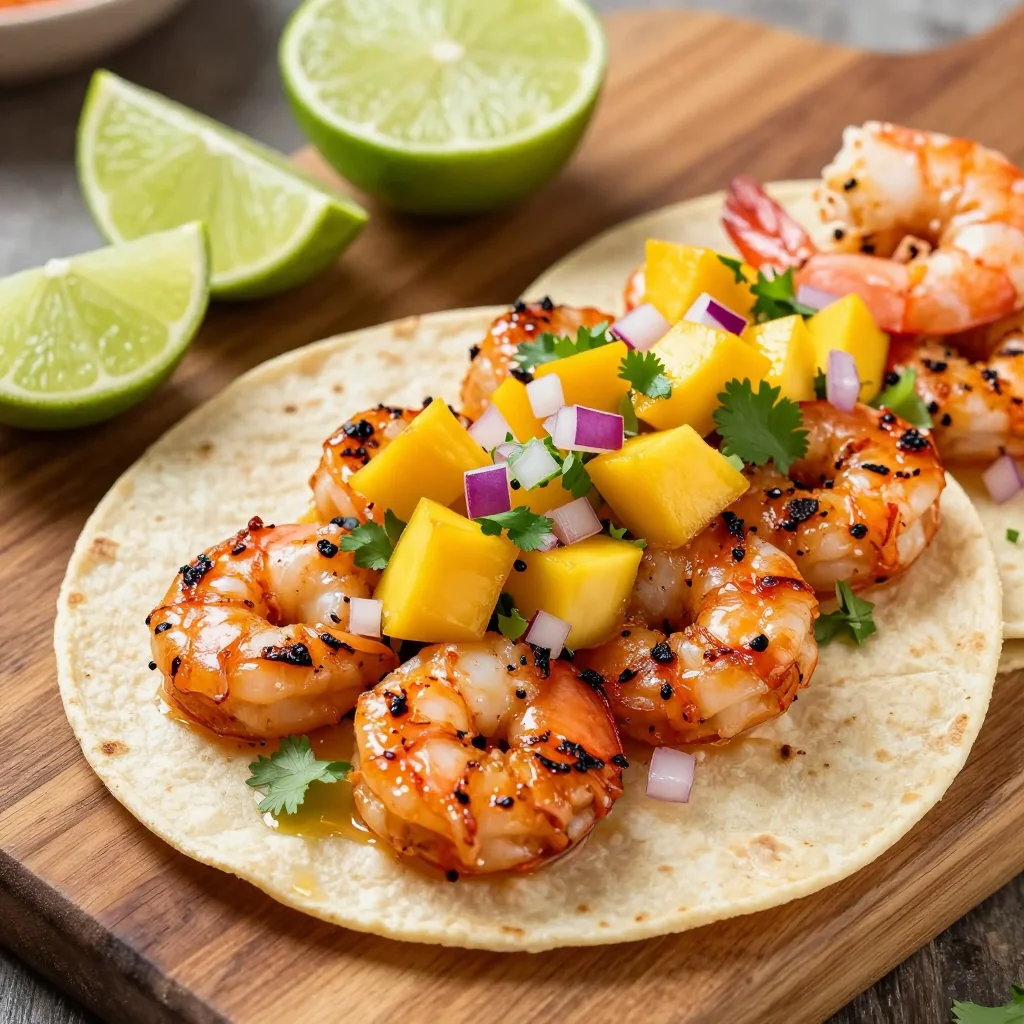
Picture yourself pulling this out of the pan, the whole kitchen smelling incredible, the shrimp glistening like tiny golden suns. The dish is ready to be plated on a simple white plate, garnished with a few scallion slices, and served immediately. This is hands down the best version you’ll ever make at home. I’ll be honest—I ate half the batch before anyone else got to try it. Stay with me here—this is worth it. Let me walk you through every single step—by the end, you’ll wonder how you ever made it any other way.
What Makes This Version Stand Out
Flavor: The honey glaze is the star, caramelizing into a sweet, buttery coating that clings to each shrimp without overwhelming the natural briny flavor.
Crispness: Using potato starch instead of flour gives the batter a light, airy crunch that shatters like thin ice when you bite into it.
Texture: The evaporated milk keeps the batter moist and prevents it from drying out, creating a silky interior that contrasts with the crunchy exterior.
Ingredient Quality: Fresh, extra‑large shrimp and premium walnut halves elevate the dish from fast‑food to gourmet.
Heat Management: Avocado oil’s high smoke point ensures a perfect sizzle without burning the honey.
Make‑Ahead Potential: The shrimp can be marinated overnight, and the batter can be pre‑mixed, saving you precious minutes on busy nights.
Alright, let’s break down exactly what goes into this masterpiece...
Inside the Ingredient List
The Flavor Base
Honey is the sweet heart of this dish. It caramelizes at high heat, forming a glossy glaze that coats each shrimp. If you skip honey, you’ll end up with a bland, oily coating that lacks depth. Swap it for maple syrup for a subtle earthy sweetness, but keep the ratio the same to maintain the caramelization.
Mayo is used to bind the batter and add a creamy undertone. It also helps the coating adhere to the shrimp. If you’re watching calories, replace mayo with Greek yogurt for a tangy twist. However, yogurt can make the batter a bit more liquidy, so you’ll need to adjust the potato starch slightly.
The Texture Crew
Potato starch is the secret to that light, airy crunch. It’s gluten‑free and has a neutral flavor, letting the honey shine. If you can’t find potato starch, cornstarch works, but it may produce a slightly gummy texture if overmixed.
Egg whites give the batter structure and help the coating set. They also add protein, making the dish more filling. If you prefer a vegan version, use aquafaba (the liquid from a can of chickpeas) as a 1:1 substitute.
The Unexpected Star
Walnuts add a nutty crunch that contrasts beautifully with the sweet glaze. They also provide healthy fats and a subtle bitterness that balances the honey. If walnuts aren’t on hand, almonds or pecans work, but remember to toast them for extra flavor.
Evaporated milk keeps the batter moist and prevents it from drying out during frying. It also adds a hint of richness. If you’re lactose intolerant, use a plant‑based milk that’s been reduced to a thick consistency.
The Final Flourish
Avocado oil is chosen for its high smoke point and mild flavor. It allows the honey to caramelize without burning. If you’re on a budget, canola or grapeseed oil can replace it, but the subtle avocado note will be missing.
Scallions provide a fresh, oniony brightness that cuts through the sweetness. They’re added at the end to preserve their crispness. If you can’t find scallions, green onions or thinly sliced chives work as a substitute.
Everything's prepped? Good. Let's get into the real action...
The Method — Step by Step
- First, clean and devein the shrimp. Pat them dry with paper towels; moisture is the enemy of crispness. I’ve always found that a dry surface ensures the coating sticks perfectly. If you’re in a hurry, a quick rinse and a good pat will do the trick.
- In a bowl, whisk the egg whites until they’re slightly frothy. This introduces air, which will help the batter rise a bit during frying. It also gives the coating a light, almost airy feel that feels like a secret ingredient in a fine dining kitchen.
- Add the potato starch to the egg whites and stir until a smooth batter forms. The starch should be evenly distributed; clumps will create uneven texture. This is the moment where you can decide to add a pinch of salt if you’re feeling bold.
- Heat the avocado oil in a deep skillet over medium‑high heat. Test the oil by dropping a tiny bit of batter; it should sizzle immediately. When the oil is ready, carefully slide the shrimp in, ensuring they’re spaced to avoid overcrowding.
- Fry the shrimp for about 2 minutes per side until the coating turns golden and the shrimp are opaque. The edges will start pulling away, signaling that they’re done. Watch out: if the oil is too hot, the honey can burn, creating a bitter taste.
- While the shrimp are frying, whisk together the honey, mayo, evaporated milk, and a splash of water to thin the glaze slightly. This mixture will be drizzled over the shrimp after frying. The water helps the glaze coat evenly without clumping.
- When the shrimp are done, transfer them to a plate lined with paper towels to drain excess oil. Immediately drizzle the honey glaze over the shrimp, letting it pool on the side to create a glossy finish. The glaze should coat each shrimp like velvet.
- Finally, sprinkle toasted walnut halves and finely sliced scallions over the shrimp. The nuts add a pleasant crunch, while the scallions bring a fresh, bright note that cuts through the sweetness. Plate immediately for the best texture.
- Serve hot with a side of steamed rice or a crisp green salad. The contrast between the sweet shrimp and the light salad is a match made in culinary heaven. And that’s it— you did it. But hold on, I’ve got a few more tricks that’ll take this to another level.
Insider Tricks for Flawless Results
The Temperature Rule Nobody Follows
The oil should be at 350°F (175°C) for the perfect crisp. I’ve found that a kitchen thermometer is a lifesaver; without it, you’ll either under‑fry or burn the honey glaze. Keep the heat steady—if the oil starts smoking, lower the heat for a minute before resuming. This trick ensures a golden crust without a burnt aftertaste.
Why Your Nose Knows Best
Before you add the honey glaze, inhale the aroma of the frying shrimp. If it smells slightly metallic, the shrimp are over‑cooked. A sweet, nutty scent means it’s just right. I’ve used this olfactory test for years to avoid over‑fried disasters.
The 5‑Minute Rest That Changes Everything
After draining the shrimp, let them rest on paper towels for 5 minutes. This allows the coating to set and prevents a soggy texture. I’ve seen people skip this step and end up with a mushy coating that loses its crunch.
Use a Splatter Guard
Frying the shrimp can create a mess. A splatter guard keeps the kitchen clean and reduces the risk of hot oil splattering onto your skin. It also helps maintain a steady oil temperature.
Keep the Glaze Ready
Whisk the glaze while the shrimp are frying; this saves time and ensures it’s warm and silky when you drizzle it. A warm glaze coats better than a cold one, which can clump.
Creative Twists and Variations
This recipe is a playground. Here are some of my favorite ways to switch things up:
Spicy Sriracha Glaze
Add a tablespoon of sriracha to the honey glaze for a kick that balances the sweetness. The heat will melt into the honey, creating a subtle, lingering spice. It’s perfect for those who like a little bite with their dessert.
Asian Sesame Crunch
Replace the walnuts with toasted sesame seeds and sprinkle a dash of toasted sesame oil over the finished dish. The sesame adds a nutty depth and a delicate crunch that pairs well with the honey glaze.
Herb‑Infused Shrimp
Stir a handful of fresh parsley or cilantro into the batter for a burst of green freshness. The herbs add a bright, herbal note that cuts through the richness of the glaze.
Butternut Squash Slices
Serve the shrimp over thinly sliced, roasted butternut squash. The sweet, caramelized squash complements the honey glaze and adds a comforting, autumnal feel.
Vegan Version
Swap the shrimp for firm tofu, marinated in soy sauce and rice vinegar. Use aquafaba instead of egg whites and coconut milk in place of evaporated milk. This version is equally delicious and plant‑based.
Low‑Calorie Fix
Use a non‑stick spray instead of avocado oil and reduce the mayo to half. The dish will still be flavorful, but with fewer calories and less fat. Great for those watching their intake.
Storing and Bringing It Back to Life
Fridge Storage
Store the cooked shrimp in an airtight container for up to 2 days in the refrigerator. The coating may soften slightly, but the flavor remains intact. Reheat gently in a skillet to restore crispness.
Freezer Friendly
Place the shrimp on a parchment‑lined tray and freeze for up to 3 months. Once frozen, transfer to a freezer bag. When ready to serve, thaw overnight in the fridge and reheat in a skillet.
Best Reheating Method
Reheat in a hot skillet over medium heat for 2–3 minutes per side. Add a splash of water to create steam, which keeps the shrimp moist. A quick sear will restore the crunchy coating without drying out the shrimp.