Picture this: I was halfway through a midnight pizza binge, the fridge a barren wasteland, and a friend dared me to whip up something that would make the whole house smell like an Italian trattoria. I stared at the stack of stale bread, the lonely bag of frozen peas, and the single can of diced tomatoes, and thought, “This is the moment to unleash a pot roast that sings.” I pulled the chuck roast out of the freezer, and the aroma of browned meat hit me like a warm hug, instantly turning my kitchen from a disaster zone into a culinary stage. The sizzling sound of olive oil in the pan was the overture, and the onions began to caramelize, filling the air with sweet, buttery perfume. That instant, I knew I was on the brink of something extraordinary—something that would have everyone asking, “Where did you learn that trick?”
Now, I’m not just talking about any pot roast. This is a dish that marries the rustic heartiness of a slow‑cooked beef stew with the bright, herbaceous punch of a classic Italian sauce. The key is the balance: the tender, melt‑in‑your‑mouth beef, the earthy mirepoix, the umami‑rich pancetta, and the splash of balsamic vinegar that cuts through the richness. Every bite carries layers—first the savory meat, then the tender vegetables, and finally that glossy, velvety sauce that coats your palate. I dare you to taste this and not go back for seconds; the combination of rosemary, thyme, and a hint of bay leaf will have you reaching for the next spoonful before you even realize you’re finished. Most recipes get this completely wrong by over‑cooking or under‑seasoning; here, each element sings in harmony.
What makes this version stand out isn’t just the ingredients; it’s the method that turns a simple roast into a show‑stopper. I’m talking about the searing technique that locks in flavor, the slow braising that breaks down connective tissue into silky sauce, and the final flourish of mushrooms that adds an earthy depth. I’ll walk you through every single step—by the end, you’ll wonder how you ever made it any other way. The result is a dish that feels like a hug, a comforting, robust meal that will have your guests asking for the recipe by the end of the night. If you’ve ever struggled with a pot roast that turns out dry or flavorless, you’re not alone—this is the fix you’ve been looking for. And if you’re ready to elevate your dinner routine, keep reading.
So, grab your apron, because we’re about to dive into the heart of Italian comfort food. The moment the roast hits the pan, you’ll hear that satisfying sizzle—absolute perfection. I’ll share the exact temperatures, the timing for each step, and the sensory checkpoints that will tell you when the magic happens. You’ll learn how to make a sauce that coats the beef like velvet, how to get the vegetables just right, and how to finish the dish with a touch of balsamic that ties everything together. Let’s get cooking, and remember: this is hands down the best version of a pot roast you’ll ever make at home.
What Makes This Version Stand Out
- Taste: The sauce is a symphony of tomato, wine, and herbs, creating a depth that’s impossible to replicate with a standard beef stew. The balsamic vinegar adds a subtle acidity that lifts the richness without overpowering it. Every bite is a balance of savory, sweet, and aromatic notes.
- Texture: Slow braising breaks down the connective tissue into silky strands, while the vegetables retain a gentle bite that contrasts with the melt‑in‑your‑mouth meat. The mushrooms provide an earthy chew that keeps the dish from feeling one‑dimensional.
- Simplicity: With just a handful of pantry staples and fresh herbs, this recipe feels approachable yet sophisticated. You won’t need exotic ingredients or complicated techniques.
- Uniqueness: The inclusion of pancetta and balsamic vinegar sets this apart from traditional pot roast, giving it a distinctly Italian flair that’s hard to find elsewhere.
- Crowd Reaction: Friends and family will rave about the depth of flavor and the tender texture, and I’m confident you’ll become the go‑to chef for Sunday dinners.
- Ingredient Quality: Using fresh rosemary, thyme, and a high‑quality dry red wine transforms a humble dish into a gourmet experience.
- Cooking Method: The combination of searing, braising, and finishing in the oven ensures maximum flavor extraction and even cooking.
- Make‑ahead Potential: The dish tastes even better the next day, making it perfect for busy weeknights or meal prep.
Inside the Ingredient List
The Flavor Base
The foundation of any great sauce starts with a mirepoix—onion, carrot, and celery diced to the same size so they cook evenly. The onions release natural sugars that caramelize, giving the sauce a sweet backbone. Carrots add subtle sweetness and color, while celery provides an aromatic depth that can’t be replicated with any single ingredient. If you skip this step, your sauce will feel flat and under‑developed. For best results, chop the vegetables finely so they soften quickly during the searing phase.
Olive oil is the medium that carries the flavors and helps sear the meat. Choosing a good extra‑virgin olive oil gives a peppery finish that lingers on the palate. If you’re on a budget, a light olive oil will still work, but the flavor profile will be less vibrant. A quick tip: let the oil heat until it shimmers but isn’t smoking before adding the meat to avoid burning.
Tomato paste is the heart of the sauce, thickening it and concentrating tomato flavor. It also balances the acidity of the wine and the sweetness of the vegetables. If you don’t have tomato paste on hand, you can use a small amount of tomato sauce, but the consistency will be thinner. Remember, the paste will darken as it cooks, creating a richer hue.
The Unexpected Star
Pancetta is the secret weapon that adds a smoky, savory depth. Its cured fat renders into a flavorful liquid that coats the meat and vegetables, preventing dryness. If you can’t find pancetta, bacon is a decent substitute, but it’s less salty and less aromatic. Slice the pancetta into thin strips to ensure it crisps up nicely before it starts to melt into the sauce.
Balsamic vinegar is a game‑changer—its sweet acidity cuts through the richness of the beef and pancetta. A splash of balsamic at the end brightens the sauce and adds a subtle tang. If you’re watching sodium, use a low‑sodium balsamic or dilute it with a splash of water. The key is to add it at the end, so it doesn’t evaporate entirely.
The Final Flourish
Red wine is the liquid that pulls all the flavors together. A dry Italian red, such as Chianti or Sangiovese, adds tannins and fruitiness that deepen the sauce. If you prefer a non‑alcoholic version, replace the wine with equal parts beef broth and a splash of red wine vinegar. The wine also helps deglaze the pan, lifting browned bits that are full of flavor.
Fresh herbs—rosemary, thyme, and bay leaves—infuse the braise with aromatic oils. They’re essential for that unmistakably Italian character. Use sprigs rather than dried herbs for a brighter taste. When you’re ready to finish, remove the herb stems and bay leaves to avoid bitterness.
Beef broth completes the liquid base, ensuring the roast is submerged enough for even cooking. The broth’s umami boosts the overall savory profile, while the wine’s acidity keeps the sauce balanced. If you’re using a low‑sodium broth, taste the sauce before adding salt, as the broth will contribute a bit of saltiness.
Salt and black pepper are the final seasoning touches. They’re the seasoning that brings everything together. Season the meat before searing for a better crust, and taste the sauce as it simmers, adjusting salt and pepper to taste.
Everything’s prepped? Good. Let’s get into the real action.
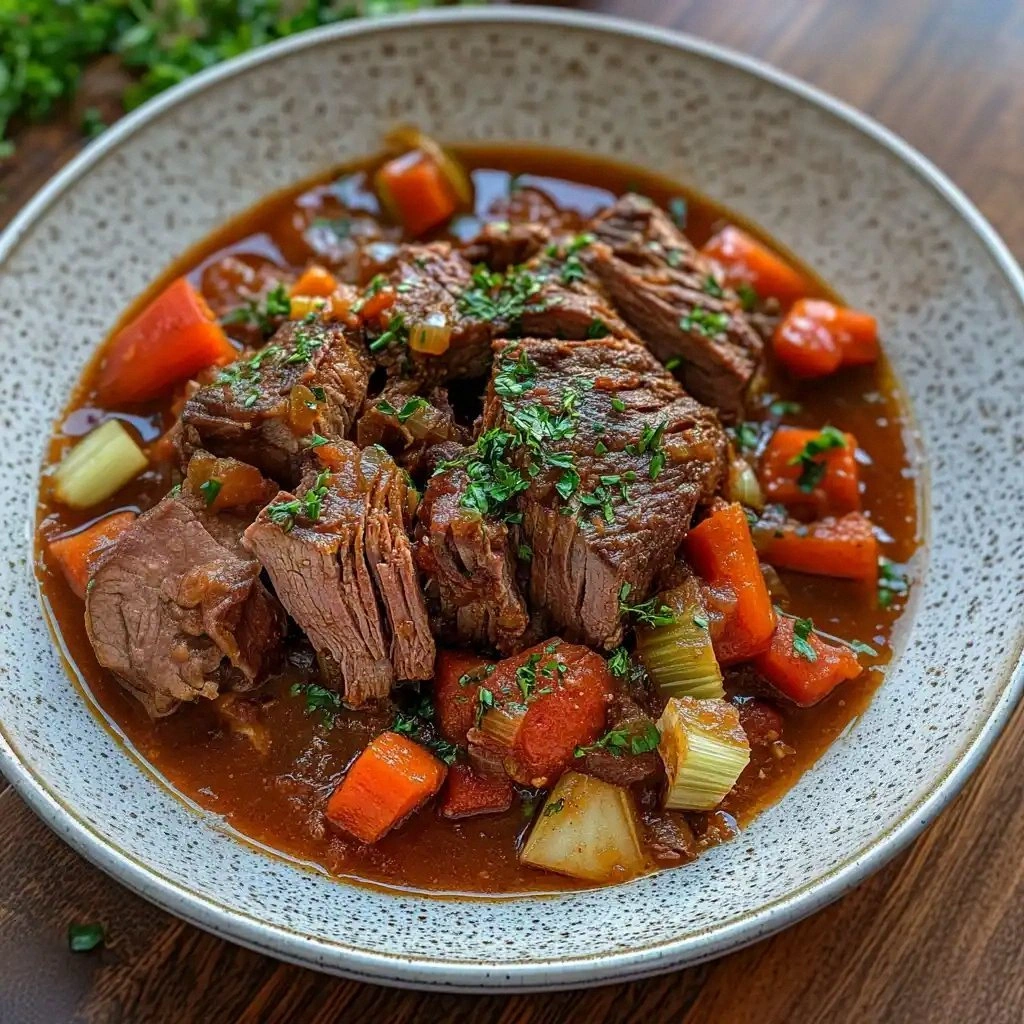
The Method — Step by Step
- First, season the 3 lbs chuck roast generously with salt and pepper. Pat the meat dry with paper towels; this helps create a golden crust when seared. Place a heavy Dutch oven or cast‑iron pot over medium‑high heat and let it heat up until a drop of water sizzles. Add 2 tbsp olive oil, swirl to coat, and wait until it shimmers. Slide the roast into the pot, letting it sear on all sides until a deep brown crust forms—about 3–4 minutes per side. This caramelization locks in flavor and sets the stage for a tender final product. Once browned, remove the roast and set it aside on a plate.
- In the same pot, add the diced onion, carrot, and celery. Cook, stirring occasionally, until the vegetables soften and start to brown, about 5–7 minutes. The onions should be translucent and fragrant, signaling that the sugars are caramelizing. This step builds the flavor base that will carry the rest of the dish. As the vegetables cook, you’ll hear a satisfying crackle that hints at the depth of flavor to come. When they’re ready, add 4 cloves minced garlic and cook for an additional 30 seconds, just until fragrant.
- Next, stir in 2 tbsp tomato paste, ensuring it mixes well with the vegetables. Let the paste cook for 2–3 minutes, allowing it to darken slightly and develop a richer taste. Then, pour in 1 cup dry red wine, using a wooden spoon to scrape up any browned bits from the bottom of the pot. This deglazing step is crucial—it lifts the flavor-packed fond, making it part of the sauce. Watch the wine reduce by half; this concentrates the flavor and thickens the sauce slightly.
- Return the roast to the pot, placing it on top of the vegetables. Add 1 can diced tomatoes, 1 cup beef broth, 2 sprigs rosemary, 2 sprigs thyme, and 2 bay leaves. The tomatoes bring acidity and sweetness, while the broth ensures the roast is submerged enough for even cooking. Cover the pot with a lid and bring the liquid to a gentle simmer. The aromatics should infuse the broth, creating a fragrant, savory base. Keep the heat low enough that it doesn’t boil vigorously, which can toughen the meat.
- Reduce the heat to low and let the roast braise for 2 hours, turning it occasionally. The slow, low heat breaks down collagen into gelatin, turning the meat into a silky, melt‑in‑your‑mouth texture. The vegetables will soften into a velvety mash that melds with the sauce. Occasionally check the liquid level; if it drops too low, add a splash of water or broth. After 1½ hours, the sauce should be thickened, and the roast should be tender enough to pull apart with a fork.
- While the roast is braising, heat a separate skillet over medium‑high heat. Add 4 oz pancetta, diced into small strips, and cook until it crisps and renders its fat. Remove the pancetta with a slotted spoon and set it aside, leaving the fat in the skillet. This fat will later be used to sauté the mushrooms, adding a savory richness that complements the beef.
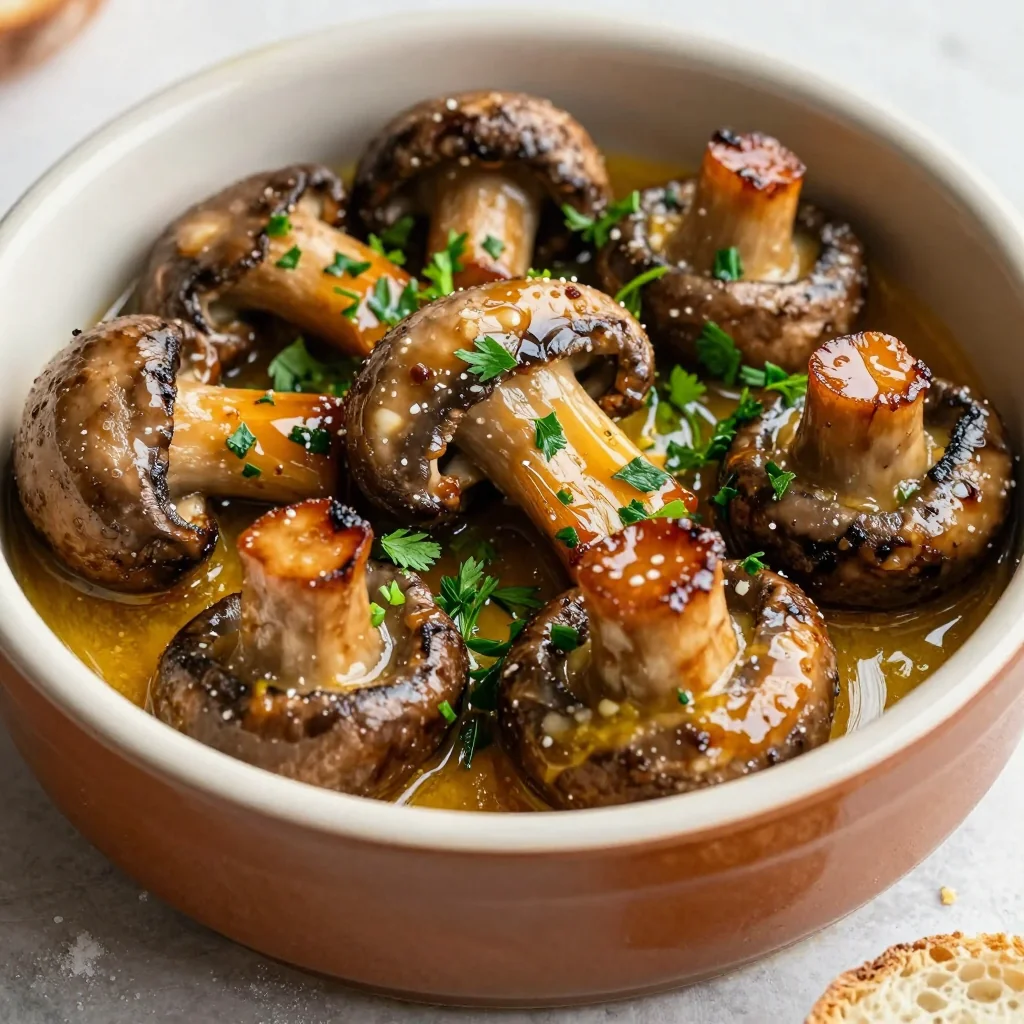
- In the same skillet, add 8 oz sliced mushrooms and sauté until they brown and release their moisture. Stir in 1 tbsp balsamic vinegar and cook for another minute, letting the vinegar caramelize slightly. The balsamic adds a sweet acidity that brightens the sauce. Add the mushrooms back to the pot with the roast, ensuring they’re evenly distributed. This step brings an earthy depth that balances the richness of the meat and pancetta.
- Cover the pot again and let everything finish cooking for another 30 minutes, allowing the flavors to meld. The final 30 minutes should see the sauce thicken to a glossy, velvety consistency that coats the roast beautifully. Once done, remove the pot from heat and let the roast rest for 10 minutes. This resting period allows the juices to redistribute, keeping the meat moist and flavorful.
- After resting, slice the roast against the grain into thick, juicy slices. Serve the slices over a bed of mashed potatoes or creamy polenta, spooning the rich sauce and mushrooms over the top. Garnish with fresh parsley or basil for a burst of color and freshness. Plate the dish with a drizzle of the pan juices, and you have a meal that feels like a warm hug and a culinary triumph at the same time. That’s it—you did it. But hold on, I've got a few more tricks that will take this to another level.
Insider Tricks for Flawless Results
The Temperature Rule Nobody Follows
Many home cooks assume that a high heat will cook the roast faster, but this actually toughens the meat. The trick is to start with a high sear to develop flavor, then lower the heat for braising. I’ve spent years experimenting with temperatures, and the sweet spot is a low simmer—about 200–250°F inside the pot. This gentle heat allows collagen to break down into gelatin without overcooking the exterior. If you’re using a slow cooker, set it to low for 8 hours; the result will be just as tender.
Why Your Nose Knows Best
The aroma of a slow‑cooked roast can tell you everything you need to know about doneness. When the meat releases a fragrant, savory scent and the vegetables are soft, it’s a sign that the flavors have melded. I’ve learned to trust my nose over the clock; the scent is the most reliable indicator of perfect tenderness. If you’re unsure, give the roast a gentle press—if it feels like a spring, it’s ready. This sensory checkpoint saves you from overcooking and guarantees a juicy result.
The 5-Minute Rest That Changes Everything
Resting the roast after braising is essential for moisture retention. During the rest, the juices redistribute, preventing them from spilling out when you slice. I’ve seen people skip this step and end up with dry slices that pull apart. Let the roast rest for exactly 10 minutes, then slice against the grain. This small window makes the difference between a good and great dish.
Layering Herbs for Depth
Instead of adding all the herbs at once, layer them at different stages. Add the rosemary and thyme during the initial braise, and introduce the bay leaves halfway through. This staggered approach ensures each herb releases its unique flavor at the right time. A friend once added all herbs at the start and got a muddled flavor profile—lesson learned. The trick is timing.
Using Fresh vs. Dried
Fresh herbs deliver bright, vibrant flavors, while dried herbs are more concentrated. If you only have dried herbs, use half the amount and add them earlier in the cooking process to allow their flavors to mellow. Fresh herbs should be added at the end to preserve their bright notes. I’ve used both and found that fresh rosemary gives the dish a cleaner, brighter finish.
Cooking the Pancetta to Perfection
The pancetta should be crispy but not burnt. Cook it over medium‑high heat until the fat renders and the meat turns golden brown. This crispness adds texture and a savory crunch to the final dish. If you skip this step, the dish will feel flat. I’ve experimented with different cuts, but pancetta remains the gold standard for this recipe.
Creative Twists and Variations
Spicy Szechuan Twist
Swap the basil for a handful of Szechuan peppercorns and add a splash of soy sauce. The peppercorns give a numbing heat that pairs surprisingly well with the beef’s richness. This variation is perfect for those who love a kick and want to bring an Asian flair to Italian comfort food.
Vegetarian Mushroom Stracotto
Replace the beef with a medley of hearty mushrooms like shiitake, portobello, and cremini. Use a vegetable stock instead of beef broth and add a splash of tomato sauce for depth. The result is a meaty, umami‑rich dish that satisfies even the most carnivorous palates.
Greek-Style Lamb Stracotto
Swap the chuck roast for lamb shoulder and add oregano, lemon zest, and a splash of white wine. The citrus brightens the dish, while the oregano brings a Mediterranean twist. This version is great for a Sunday dinner that feels both comforting and exotic.
Cheesy Polenta Pairing
Serve the roast over a bed of creamy, melted polenta topped with grated Parmigiano‑Reggiano. The polenta’s subtle corn flavor complements the savory sauce, while the cheese adds a luxurious finish. It’s an instant crowd‑pleaser that feels like a decadent holiday meal.
Slow Cooker Edition
Transfer the entire recipe to a slow cooker, adding the same ingredients and liquid. Set it to low for 8–10 hours, or high for 4–5 hours. The slow cooker does the work of the stovetop, producing tender, flavorful meat with minimal effort. It’s the perfect solution for busy weekdays.
Breakfast Stracotto
Serve the roast with a side of fluffy scrambled eggs and toast. The savory sauce pairs beautifully with the creamy eggs, creating a hearty breakfast that feels like a brunch special. It’s a unique way to start the day with a comforting, protein‑packed meal.
Storing and Bringing It Back to Life
Fridge Storage
After cooling to room temperature, store the roast in an airtight container for up to 4 days. Keep the sauce in a separate container to maintain its texture. When you’re ready to eat, reheat the sauce on the stove until it’s steaming hot, then pour it over the sliced roast. The beef will stay moist, and the sauce will regain its glossy sheen.
Freezer Friendly
Wrap the roast tightly in foil, then place it in a freezer‑proof bag. Store for up to 3 months. Thaw overnight in the fridge before reheating. When reheating, add a splash of water or broth to keep the sauce from drying out. The beef will retain its tenderness, and the sauce will re‑emerge as silky as new.
Best Reheating Method
Reheat the roast and sauce in a skillet over medium heat, stirring occasionally. If the sauce has thickened, add a splash of water or broth to reach the desired consistency. Bring to a gentle simmer and let it steam for 5–7 minutes. This method preserves the flavor and ensures the meat stays juicy.