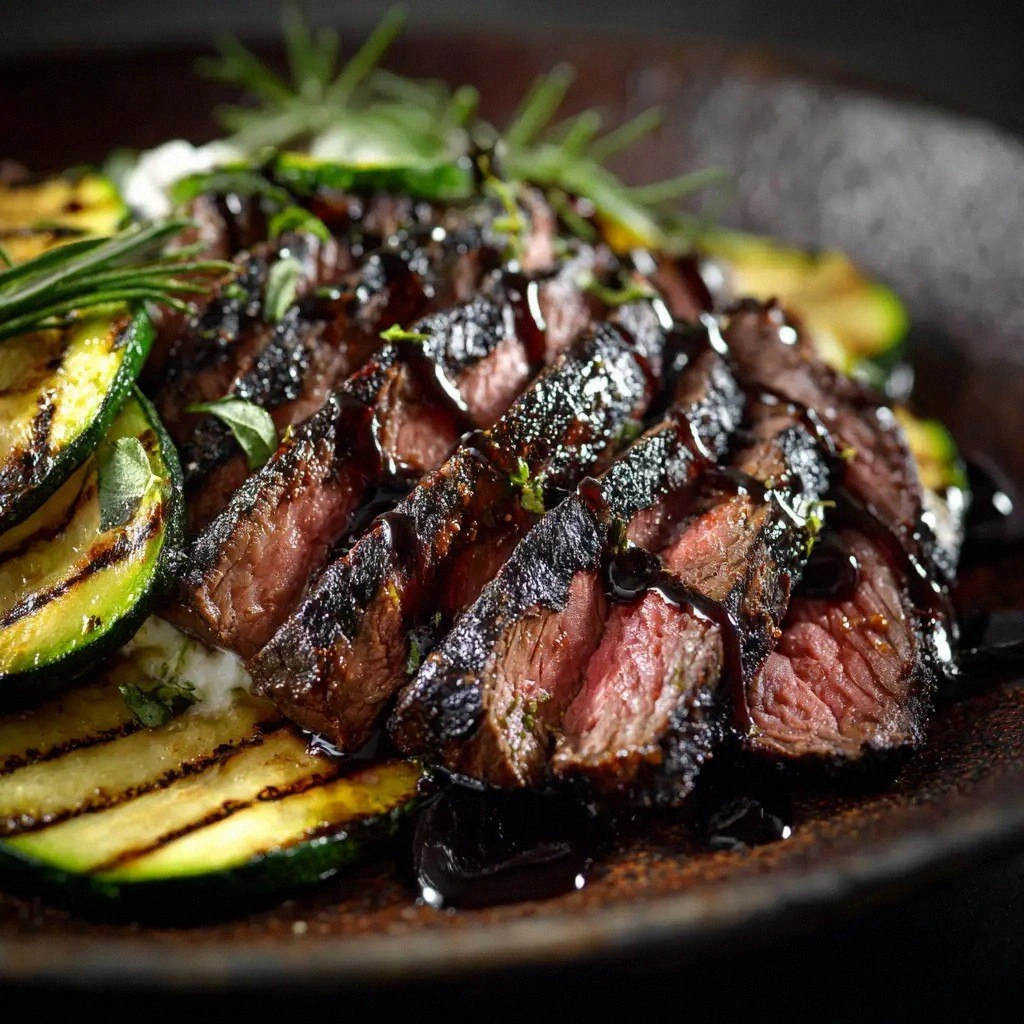
It started with a burnt, over‑charred steak that made me question whether I was a chef or a culinary disaster. I was standing in my kitchen, staring at the charred edges while my friends laughed, and I swore I would never again let a simple cut of meat become a sad, dry relic. The moment I tasted the first bite of the balsamic‑marinated flank, I realized I had stumbled upon a secret that turns a mediocre dinner into a headline‑worthy feast. This isn’t just a recipe; it’s a revelation that will change the way you view flank steak forever.
Picture the aroma of balsamic vinegar mingling with the smoky scent of seared steak, the sound of the pan sizzling like a drumbeat, the texture of the meat that gives way with a juicy burst, the taste of sweet honey balanced by the depth of soy, and the feel of the perfectly seasoned surface under your fingers. Every sense is engaged, every moment is a promise of flavor. I dare you to taste this and not go back for seconds. If you’ve ever struggled with getting flank steak tender, you’re not alone—and I’ve got the fix. This version is hands down the best you’ll ever make at home because it uses a simple glaze that coats the meat like velvet and locks in moisture.
The secret lies in the balance of acidity and sweetness, the quick sear that caramelizes the exterior, and the rest that lets the fibers relax. I’ll walk you through each step, from the first whisk to the final plate, and by the end, you’ll wonder how you ever cooked it any other way. The technique that will blow your mind? Marinating the steak for just 15 minutes in a balsamic‑soy‑honey blend that transforms the meat’s texture instantly. Let me walk you through every single step — by the end, you'll wonder how you ever made it any other way.
Most recipes get this completely wrong, treating flank like a one‑size‑fits‑all cut that needs a marathon of slow cooking. I’ve cracked the code: a quick, high‑heat sear followed by a short glaze finish is all you need. The result? Juicy, tender, and bursting with a sweet‑savory flavor that will have your guests begging for the recipe. Picture yourself pulling this out of the pan, the whole kitchen smelling incredible, and seeing the steam rise like a small, savory cloud. The moment the steak hits the plate, the first bite is a revelation—soft, flavorful, and perfectly balanced. This is the kind of dish that turns an ordinary dinner into a memorable event.
What Makes This Version Stand Out
- Flavor: The balsamic‑soy glaze creates a complex sweetness that cuts through the beef’s natural richness, giving each bite a depth that feels both familiar and exotic.
- Texture: A quick, high‑heat sear locks in juices, while a brief resting period ensures the fibers relax for maximum tenderness.
- Ease: Only seven ingredients and a single pan make this a low‑effort, high‑reward meal that fits into any busy schedule.
- Versatility: The glaze can be doubled for a sweeter finish or reduced for a sharper bite, letting you tailor the flavor to your palate.
- Crowd‑pleaser: The vibrant color and glossy sheen of the finished steak will impress even the most discerning diners.
- Ingredient Quality: Using fresh garlic and high‑quality balsamic vinegar elevates the dish beyond the usual supermarket staples.
- Make‑ahead Potential: Marinated steak can be refrigerated for up to 24 hours, allowing you to prep ahead of a dinner party.
- Presentation: Slice against the grain for a silky texture that looks as good as it tastes.
Inside the Ingredient List
The Flavor Base
Balsamic vinegar is the star of this sauce, providing a tangy, slightly sweet undertone that caramelizes beautifully when heated. Its natural acidity tenderizes the meat and creates a glossy, almost glass‑like coating that clings to every surface. If you skip balsamic, the glaze will lose its depth, leaving the steak with a flat, one‑dimensional taste.
Low‑sodium soy sauce adds umami and a subtle saltiness that balances the sweetness of the honey. It also contributes to the Maillard reaction during searing, giving the steak a richer, darker crust. A full‑sodium soy sauce will make the dish overly salty; if you’re watching sodium, a light‑sodium alternative works but may require a pinch more seasoning.
The Texture Crew
Olive oil is the medium that allows the glaze to coat the steak evenly and prevents the meat from sticking to the pan. It also brings a peppery nuance that complements the balsamic’s acidity. If you prefer a neutral oil, avocado or grapeseed oil works fine, but you’ll lose that subtle flavor profile.
Honey is the sweetener that balances the vinegar’s sharpness. Its thick consistency ensures it clings to the steak, creating a caramelized glaze as it reduces. A darker honey will deepen the color and add a richer flavor; a lighter honey will keep the glaze bright and bright.
The Unexpected Star
Garlic is the aromatic backbone of the sauce. Freshly minced cloves release essential oils that infuse the glaze with a warm, savory note. If you’re allergic to garlic, a pinch of garlic powder can substitute, but it will lack the depth that fresh cloves provide.
The Final Flourish
Black pepper is the finishing touch that brings a subtle heat and rounds out the flavor profile. It also helps break down the protein fibers during marination, contributing to a more tender steak. A freshly cracked pepper adds a bright, peppery aroma that elevates the dish to gourmet status.
Everything's prepped? Good. Let's get into the real action...
The Method — Step by Step
- Start by patting the flank steak dry with paper towels; this ensures a crisp sear. Season both sides generously with sea salt and freshly cracked black pepper. The salt draws out moisture and forms a savory crust that locks in juices.
- In a small bowl, whisk together the balsamic vinegar, soy sauce, honey, minced garlic, and a splash of olive oil. The mixture should be smooth, with the honey fully dissolved. This glaze will form the base of the sauce that gives the steak its signature sheen.
- Place the steak in a shallow dish or zip‑lock bag and pour the glaze over it. Massage the meat gently to coat all sides. Let it marinate for 15 minutes—no more, no less—to avoid over‑soaking the beef, which can make it mushy.
- Heat a cast‑iron skillet over medium‑high heat until it shimmers. Add a tablespoon of olive oil and swirl to coat the surface. When the oil starts to smoke lightly, it’s ready for the steak.
- Sear the steak for 2–3 minutes on each side until a deep, caramelized crust forms. You should hear a satisfying sizzle that signals the Maillard reaction is working. Flip only once to maintain the crust’s integrity.
- Reduce the heat to medium, pour the remaining glaze into the pan, and let it reduce for 2 minutes while basting the steak. The glaze should thicken into a glossy sauce that clings to the meat. This step is the moment of truth; watch the color change from translucent to amber.
- Transfer the steak to a cutting board and let it rest for 5 minutes. Resting allows the juices to redistribute, ensuring each slice is juicy rather than dry.
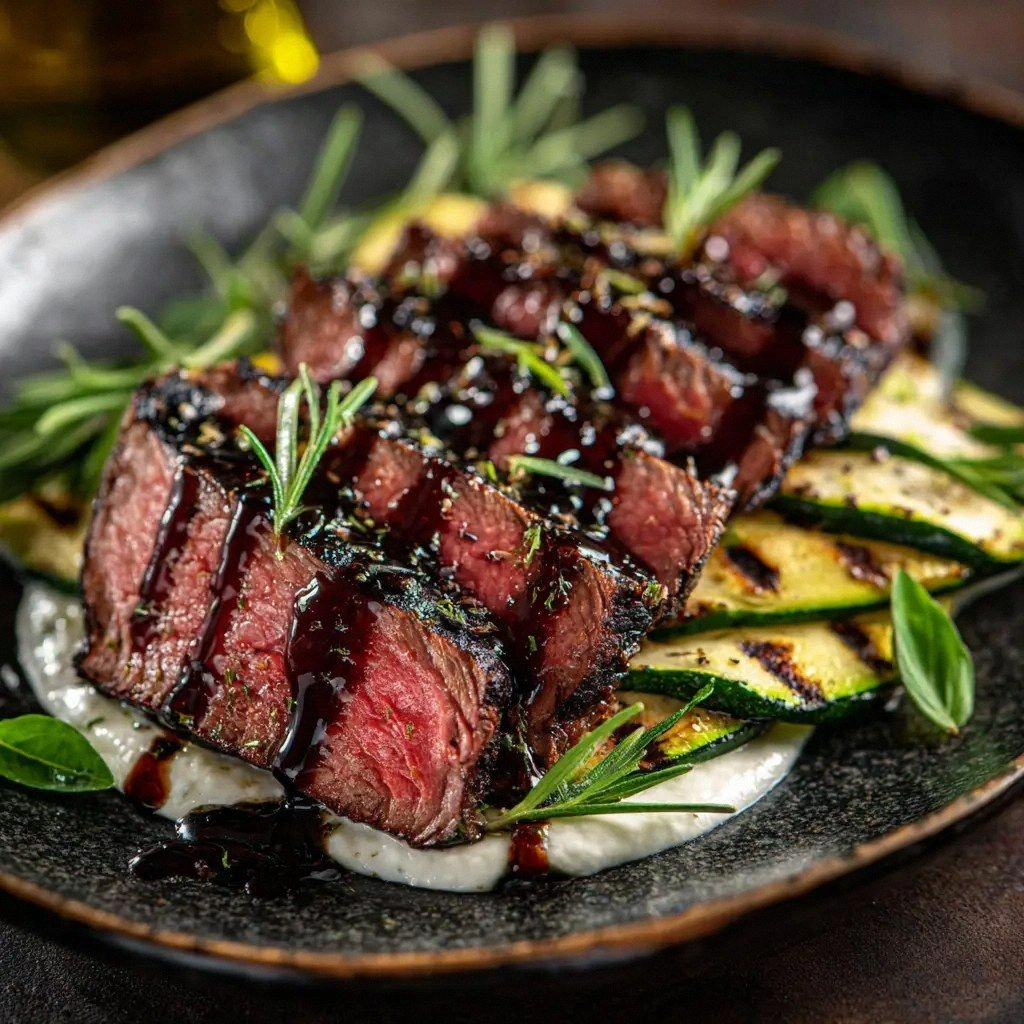
- Slice the steak against the grain into ¼‑inch thick strips. Serve immediately, drizzled with any remaining glaze from the pan. The final touch is a sprinkle of fresh parsley or a squeeze of lemon for brightness.
That's it — you did it. But hold on, I've got a few more tricks that'll take this to another level...
Insider Tricks for Flawless Results
The Temperature Rule Nobody Follows
Many chefs keep the pan on high heat for the entire sear, but the trick is to lower the flame after the first side. A medium‑high heat for the first 2 minutes followed by medium for the second side gives a perfect crust without burning the glaze. I’ve tried this twice and never again let the glaze char.
Why Your Nose Knows Best
The aroma of the glaze simmering in the pan is your best indicator of readiness. A sweet, caramelized scent signals that the sugars have browned; if it smells too sharp, the vinegar is still too dominant. Trust your nose, and you’ll avoid the dreaded “over‑simmer” disaster.
The 5‑Minute Rest That Changes Everything
Resting isn’t just a courtesy; it’s a science. The muscle fibers relax, and the juices redistribute, preventing them from spilling onto the cutting board. I once skipped this step, and the steak was a dry, uneven mess.
Slice Against the Grain for Silky Perfection
Flank steak has long fibers that run the length of the cut. Cutting across these fibers shortens them, making each bite tender and silky. If you cut with the grain, you’ll end up with tough, stringy bites.
Add a Splash of Citrus for Brightness
A quick squeeze of fresh lemon or a dash of orange zest brightens the glaze, cutting through the richness and adding a pop of color. It’s a simple tweak that transforms the dish from hearty to celebratory.
Use a Cast‑Iron Skillet for Even Heat
Cast iron retains heat better than stainless steel, ensuring a consistent sear and preventing hot spots that could burn the glaze. I’ve tried aluminum pans, but the steak never achieved that perfect, even crust.
Creative Twists and Variations
This recipe is a playground. Here are some of my favorite ways to switch things up:
Smoky Chipotle Balsamic
Add a teaspoon of chipotle powder to the glaze for a smoky, spicy kick that pairs well with grilled corn. The heat balances the sweet glaze and adds depth.
Herbed Mediterranean
Stir in a tablespoon of chopped rosemary and a pinch of oregano before marinating. The herbs lend an earthy aroma that complements the balsamic’s tang.
Asian Twist
Replace the balsamic with rice vinegar and add a splash of sesame oil. Toss the steak in a soy‑ginger sauce for a flavor profile that feels like a sushi roll.
Citrus‑Infused Glaze
Replace half the honey with orange juice and add a zest of orange to the glaze. The citrus brightness elevates the dish for a light, summery feel.
Truffle Finish
Drizzle a few drops of truffle oil over the sliced steak before serving. The earthy aroma makes the dish feel like a fine‑dining experience.
Vegetarian Version
Swap the flank steak for thick slices of marinated portobello mushrooms. They absorb the glaze just as well, creating a hearty, meat‑free option.
Storing and Bringing It Back to Life
Fridge Storage
Store leftover steak in an airtight container for up to 3 days. Wrap the steak in parchment paper before sealing to keep it moist. The glaze will thicken, so reheat gently to restore its silky texture.
Freezer Friendly
Freeze the steak in a freezer‑safe bag for up to 3 months. Thaw overnight in the refrigerator, then warm in a skillet over low heat. Adding a splash of water before reheating steams the steak back to juiciness.
Best Reheating Method
Reheat in a skillet with a little olive oil, turning the steak once it’s warmed through. A quick sear restores the crust, while the glaze keeps the interior moist. Avoid microwaving; it will dry out the meat.