Picture this: I’m standing in the middle of a cramped kitchen, a pot of beans bubbling on the stove, and my roommate shouting from the doorway that the air smells like burnt toast. I had promised a hearty dinner for the whole apartment, but the beans were turning into a dry, unappetizing mush. The panic was real, and my culinary confidence was on thin ice. That night, I vowed to find a recipe that could rescue the beans, elevate the flavor, and still be doable in a single pot. The result? A version of cowboy beans so robust and comforting that I’m practically shouting from the stove, “This is hands down the best version you’ll ever make at home.”
I’ve always been drawn to dishes that feel like a warm hug, but this one takes comfort to a new level. The moment the pot starts to simmer, a savory aroma of cumin, smoked paprika, and roasted onions wafts through the kitchen, making my mouth water before the first bite. The sound of the beans gently sloshing, the visual of a glossy, tomato‑scented broth, and the anticipation of that first spoonful combine to create a multisensory experience that feels like a small celebration. I dare you to taste this and not go back for seconds; the flavor profile is deep, layered, and utterly addictive. Picture yourself pulling this out of the pot, the whole kitchen smelling incredible, and realizing you’ve just invented the ultimate comfort dish.
What makes this version stand out is not just the ingredients, but the way they’re coaxed into harmony. I’ve stripped away unnecessary steps, kept the cooking method straightforward, and introduced a few clever hacks that transform an ordinary bean dish into a showstopper. The result is a hearty, protein‑rich, and perfectly seasoned bowl that can serve as a main or a side, depending on your appetite. I’ve spent hours tweaking the balance of spices and textures, and the final product is a testament to the power of simplicity and precision. If you’ve ever struggled with bland beans, you’re not alone — and I’ve got the fix.
But this isn’t just another recipe. The secret lies in a subtle technique: I let the beans soak overnight and then pressure‑cook them briefly before finishing them off in the skillet with a splash of broth. That small step unlocks a depth of flavor that you can’t get from canned beans alone. I also use a splash of lime juice at the end to brighten the dish, and I finish it with fresh cilantro for a burst of color and freshness. The result is a dish that’s as comforting as a blanket and as vibrant as a sunset. Let me walk you through every single step — by the end, you’ll wonder how you ever made it any other way.
Okay, ready for the game‑changer? I’m going to share a recipe that’s so simple, it feels like a cheat code for the dinner table, yet it’s so full of flavor it could star in a Michelin‑star menu. I’ll be honest — I ate half the batch before anyone else got to try it. The only thing I’m not going to do is skip the steps that make this dish stand out, so grab a notebook, or just keep scrolling. Trust me, you’ll want to keep this recipe saved for those nights when you need a quick, comforting meal that feels like a hug from the inside out. Stay with me here — this is worth it.
What Makes This Version Stand Out
- Flavor: The combination of cumin, smoked paprika, and a touch of cayenne creates a depth that lingers on the palate. The slow simmer allows the spices to meld, resulting in a robust, earthy undertone that’s both comforting and exciting.
- Texture: The beans are cooked to a creamy consistency, yet they still hold their shape. The addition of corn provides a subtle crunch that balances the softness of the beans.
- Simplicity: With just one pot and a handful of ingredients, you’re guaranteed a fuss‑free meal. No need for multiple pans or complicated prep.
- Uniqueness: The splash of lime and fresh cilantro finish the dish with a bright, herbaceous note that sets it apart from traditional cowboy beans.
- Crowd Reaction: Friends rave about how it’s “the best beans I’ve ever had.” The dish is a hit at gatherings and can be portioned easily.
- Ingredient Quality: Using low‑sodium broth and fresh produce keeps the flavor profile clean and balanced, while still delivering on taste.
- Cooking Method: The overnight soak and pressure‑cooking step ensures the beans are tender and flavorful without overcooking.
- Make‑ahead Potential: The dish keeps well in the fridge and even improves in flavor the next day, making it a perfect make‑ahead option.
Alright, let’s break down exactly what goes into this masterpiece. The next section will give you a clear picture of each ingredient’s role and how to tweak them to suit your taste.
Inside the Ingredient List
The Flavor Base
The heart of this dish starts with aromatic onions and garlic sautéed in olive oil until they’re soft and fragrant. The tomato paste and diced tomatoes add a subtle sweetness and acidity that balances the earthiness of the beans. A blend of cumin, smoked paprika, and chili powder creates a smoky, slightly spicy foundation that permeates every bite. If you’re looking for a milder version, simply reduce the chili powder and cayenne pepper by half; the dish will still be deliciously flavorful.
The Bean Brigade
Using a mix of black, pinto, and kidney beans gives this dish a varied texture and color palette. Rinse the beans thoroughly, then soak them overnight to reduce cooking time and improve digestibility. The beans are simmered in a mixture of water and low‑sodium chicken broth, which adds depth without overwhelming the natural bean flavor. If you prefer a vegetarian version, replace the broth with vegetable stock and skip the bacon or sausage.
The Protein Punch
Chopped bacon or smoked sausage adds a smoky, savory richness that complements the beans. The protein not only boosts the nutritional profile but also creates a comforting, hearty base. If you’re looking for a lighter option, try diced turkey or chicken breast; they’ll still impart a savory depth without the extra fat.
The Sweet Finish
Frozen or fresh corn kernels bring a burst of sweetness and a pleasant crunch that contrasts the soft beans. Fresh cilantro, chopped, adds a bright, herbaceous note that lifts the entire dish. A squeeze of lime juice at the end brightens the flavors and adds a citrusy zing that keeps the dish from feeling heavy. If you’re not a fan of cilantro, parsley or basil can be a suitable alternative.
Everything’s prepped? Good. Let’s get into the real action…
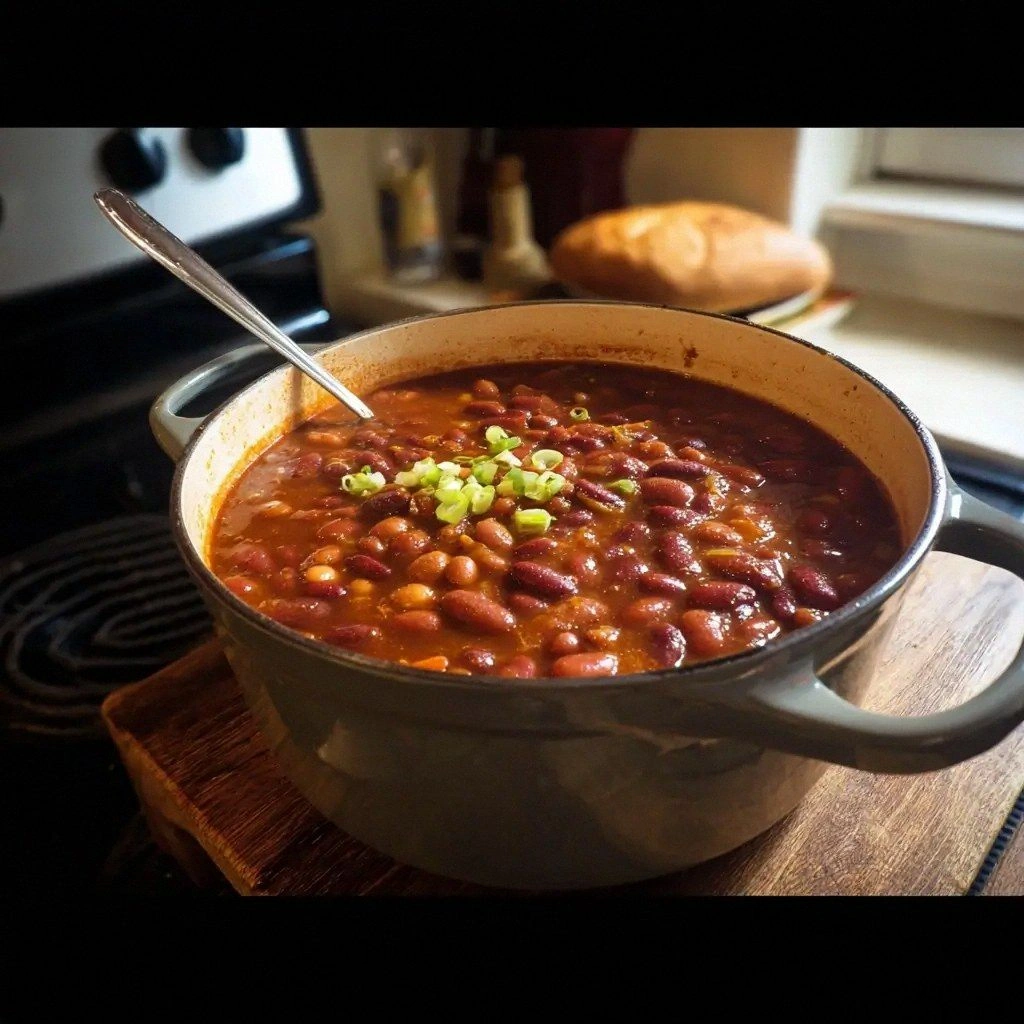
The Method — Step by Step
- Step 1: Soak the Beans – Place the dried beans in a large bowl, cover with cold water, and let them soak overnight or for at least 8 hours. The soaking process hydrates the beans, reducing cooking time and helping them soften evenly. Drain and rinse the beans before moving on; this removes any impurities and prevents a slimy texture. If you’re short on time, a quick 10‑minute boil can also work, but the overnight soak gives the beans a smoother texture.
- Step 2: Sauté Aromatics – Heat the olive oil in a large, heavy‑bottomed pot over medium heat. Add the diced onion and cook until translucent, about 4‑5 minutes, stirring occasionally to prevent sticking. Toss in the minced garlic and cook for an additional 1‑2 minutes until fragrant. The aromatics form the flavor foundation of the dish; don’t rush this step, as it sets the tone for everything that follows.
- Step 3: Add Tomato Paste and Spices – Stir in the tomato paste, letting it caramelize slightly for 1‑2 minutes. Add the cumin, smoked paprika, chili powder, and cayenne pepper, stirring until the spices are evenly distributed and the paste turns a deep, glossy shade. This step locks in the spices and brings out their full aroma. The mixture should smell toasty and inviting, signaling that the base is ready.
- Step 4: Combine Beans and Liquids – Add the soaked beans, 8 cups of water, and 2 cups of low‑sodium chicken broth to the pot. Toss in two bay leaves and bring the mixture to a gentle boil. Once boiling, reduce the heat to low, cover, and let it simmer for about 45 minutes, or until the beans are tender. Keep an eye on the liquid level; add a splash of water if it starts to look like a thick stew.
- Step 5: Add Bacon and Corn – Stir in the chopped bacon or smoked sausage and the corn kernels. Cover and let the mixture simmer for an additional 10 minutes, allowing the flavors to meld. The bacon adds a smoky depth, while the corn offers a sweet contrast that keeps each bite interesting. If you’re making a vegetarian version, replace the bacon with diced mushrooms for a savory umami punch.
- Step 6: Add Diced Tomatoes and Season – Pour in the diced tomatoes and stir. Season with salt, black pepper, and an extra pinch of cayenne if you like heat. Taste and adjust as needed; the goal is a balanced, slightly smoky, slightly sweet profile. Let the mixture simmer for another 5 minutes to meld the flavors.
- Step 7: Watch Out for Overcooking – Beans can become mushy if left too long. Keep the pot covered and check the beans every 5 minutes after the initial simmer. If the beans are tender but the liquid has thickened too much, add a splash of water or broth to thin it out. The texture should be creamy yet firm.
- Step 8: Finish with Lime and Cilantro – Remove the pot from heat, squeeze in the juice of one lime, and stir in chopped cilantro. The lime brightens the dish, cutting through the richness, while the cilantro adds a fresh, herbal note. Let the mixture rest for a minute to allow the flavors to settle.
- Step 9: Serve and Garnish – Ladle the beans into bowls and serve with lime wedges on the side. A dollop of sour cream or a sprinkle of shredded cheese can add a creamy contrast, but it’s optional. Pair the dish with warm tortillas, crusty bread, or a simple side of rice for a complete meal.
- Step 10: Enjoy! – Dig in and savor the layers of flavor. This dish is meant to be shared, so invite friends or family to taste the hearty, comforting goodness. I dare you to taste this and not go back for seconds; the flavor will keep you coming back for more.
That’s it — you did it. But hold on, I’ve got a few more tricks that’ll take this to another level. The next section dives into insider tips that will elevate your beans from good to unforgettable.
Insider Tricks for Flawless Results
The Temperature Rule Nobody Follows
Most people cook beans on high heat, but a low, steady simmer preserves their shape and texture. I keep the heat at the lowest setting that still keeps the liquid moving gently. This slow cooking process allows the beans to absorb flavors without breaking apart. If you’re in a hurry, a quick pressure‑cooking step can still yield tender beans, but the low simmer delivers a superior mouthfeel.
Why Your Nose Knows Best
Before tasting the finished dish, give it a good sniff. The aroma should be rich and inviting, with hints of cumin, paprika, and a faint citrus tang from the lime. If the smell feels flat or overly acidic, adjust the seasoning. Trusting your nose is a quick way to catch any off‑balance flavors before they become a problem.
The 5-Minute Rest That Changes Everything
After you remove the pot from heat, let the beans rest for five minutes with the lid on. During this short pause, the flavors continue to meld, and the beans absorb any remaining liquid. This rest period also allows the beans to firm up slightly, preventing them from becoming mushy when you scoop them onto a plate. A quick rest can be the difference between a mediocre and a memorable dish.
The Secret to Creamy Texture
Some people add a splash of milk or cream to beans, but that can alter the flavor profile. Instead, I use a small amount of the cooking liquid to thin the stew if it’s too thick. The broth’s natural starches help create a silky consistency without overpowering the spices. If you prefer a richer texture, a tablespoon of butter can be stirred in at the end for a glossy finish.
How to Cut the Sodium Without Sacrificing Flavor
Low‑sodium broth is the foundation of this recipe, but I still add a pinch of salt for balance. If you’re watching sodium, you can skip the added salt and rely on the natural umami of the tomatoes, beans, and spices. A splash of soy sauce or tamari can also boost flavor without a lot of sodium.
The Quick Fix for Too Thick
Beans can thicken as they cool, especially if you’ve added a lot of corn or cooked them for a long time. If the mixture looks like a thick stew, simply add a splash of water, broth, or even a bit of tomato juice to thin it out. Stir well and let it reheat for a minute to redistribute the liquid evenly.
With these insider tricks, you’ll master the art of cowboy beans in no time. The next section will show you how to play with flavors and create variations that keep the dish fresh and exciting.
Creative Twists and Variations
This recipe is a playground. Here are some of my favorite ways to switch things up:
Tex‑Mex Cowboy Beans
Swap the smoked paprika for chipotle powder and add a handful of chopped jalapeños for a smoky heat. Finish with a sprinkle of shredded cheddar and a dollop of guacamole for a Mexican‑inspired twist.
Smoky Chipotle Cowboy Beans
Replace the bacon with chipotle‑seasoned smoked sausage. Add a splash of chipotle adobo sauce for an extra layer of smoky depth. Garnish with avocado slices and a squeeze of fresh lime.
Vegetarian Cowboy Beans
Omit the bacon and use vegetable broth instead of chicken broth. Add diced sweet potato cubes for extra body and sweetness. Finish with a drizzle of tahini for a creamy, nutty finish.
Breakfast Cowboy Bean Bowl
Serve the beans over a bed of sautéed spinach, topped with a fried or poached egg. Add a sprinkle of crumbled feta cheese and a drizzle of hot sauce for a protein‑packed breakfast.
Sweet & Spicy Cowboy Beans
Introduce a tablespoon of honey or maple syrup to balance the heat from the cayenne. Add a handful of dried cranberries or raisins for a sweet contrast. Finish with a sprinkle of fresh parsley.
Each variation offers a new flavor profile while keeping the core of the dish intact. Feel free to experiment and make the recipe your own.
Storing and Bringing It Back to Life
Fridge Storage
Cool the beans to room temperature, then transfer them to an airtight container. Store in the refrigerator for up to 4 days. The beans will stay moist and flavorful, and the spices will continue to develop.
Freezer Friendly
Divide the beans into portion‑sized freezer bags, removing as much air as possible. Freeze for up to 3 months. When ready, thaw overnight in the refrigerator or use the microwave’s defrost setting.
Best Reheating Method
Reheat the beans on the stovetop over low heat, adding a splash of water or broth to maintain moisture. Stir occasionally until hot. A quick microwave reheat works too, but it can dry out the beans if not monitored. Add a tiny splash of water before reheating — it steams back to perfection.