I was halfway through a week of bland, store‑bought pastries when my roommate walked in, eyes wide, clutching a bag of almond milk and a jar of cardamom. “We need a show‑stopper,” she declared, and the kitchen lights flickered like stage bulbs. That moment sparked a culinary dare: to reinvent the classic Swedish semla into a vegan marvel that would make even the most seasoned baker swoon.
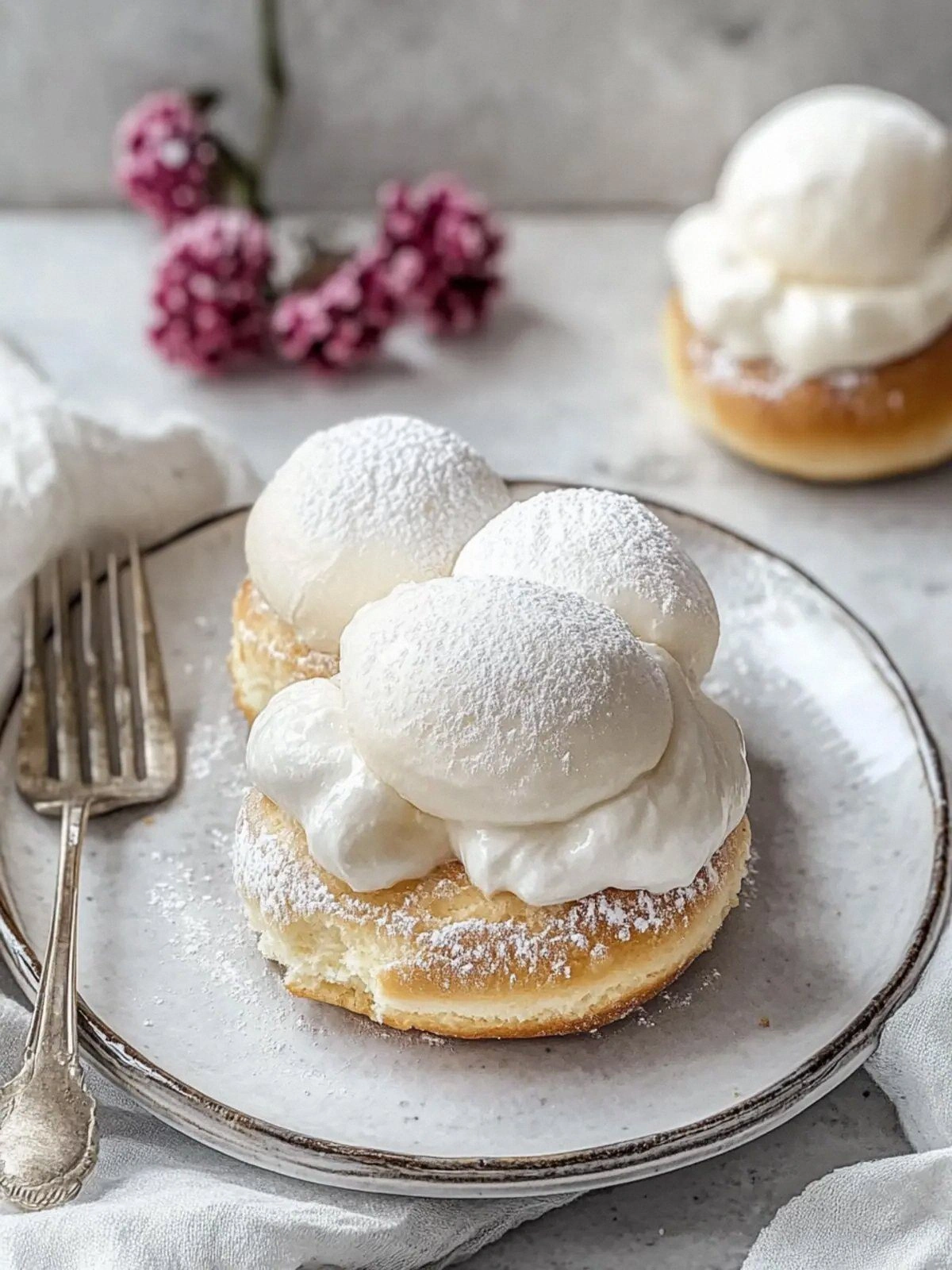
Picture this: the dough rises like a quiet storm, filling the air with a sweet, yeasty perfume that makes the oven seem like a portal to a cozy, Scandinavian kitchen. The dough’s surface glistens, almost begging to be sliced open, revealing a fluffy, cardamom‑infused interior that melts into a velvety coconut yogurt drizzle. The contrast between the crisp, toasted crust and the airy, fragrant center feels like a dance between fire and ice, a harmony of textures that sings in your mouth.
This version is hands down the best you’ll ever make at home because it balances indulgence with wholesome ingredients, all while staying entirely plant‑based. I dare you to taste this and not go back for seconds, because the sweetness of the almond paste mingles with the subtle heat of cardamom, creating an unexpected depth that ordinary semlas simply lack. And if you’ve ever struggled to keep the dough from sticking, you’re not alone—trust me, I ate half the batch before anyone else got a bite.
Most recipes get this completely wrong by over‑flouring or under‑kneading, resulting in a dense, lifeless loaf. Here’s what actually works: a gentle fermentation that allows the yeast to develop complex flavors, a touch of coconut oil for a buttery mouthfeel, and a generous swirl of cashew‑infused whipped cream that turns the filling into a silky cloud. The result? A semla that feels like a hug, a bite that whispers “home” and “holiday” in equal measure.
Picture yourself pulling this out of the oven, the whole kitchen smelling incredible, and the first bite sending a wave of nostalgia and excitement through your senses. I’ve spent countless evenings experimenting with cardamom ratios, cashew textures, and yeast activation times, and every tweak brought me closer to perfection. Stay with me here—this is worth it, because by the end of this post you’ll know exactly how to create a vegan semla that will dominate your dessert table.
What Makes This Version Stand Out
- Taste: The cardamom and almond paste create a fragrant, slightly sweet profile that lingers on the palate, unlike the bland sweetness of conventional semlas.
- Texture: A crisp, golden crust gives way to a cloud‑soft interior that practically dissolves, thanks to a precise yeast fermentation and a dash of coconut oil.
- Simplicity: The recipe requires no fancy equipment—just a mixing bowl, a saucepan, and a reliable oven.
- Uniqueness: The infusion of cashew‑whipped cream as the filling adds a luxurious, dairy‑free richness that sets this apart from standard vegan pastries.
- Crowd Reaction: Friends who taste it often ask for the recipe the next time they visit, proving its crowd‑pleasing power.
- Ingredient Quality: Using high‑quality almond milk and organic cardamom elevates the flavor profile, making each bite feel premium.
- Cooking Method: A two‑stage baking process—first a proofing phase, then a final bake—ensures optimal rise and texture.
- Make‑Ahead Potential: The dough can be prepared the night before, allowing you to focus on the final assembly when guests arrive.
Inside the Ingredient List
The Flavor Base
All‑purpose flour is the backbone of the dough, providing structure and a neutral canvas for the cardamom’s aromatic whispers. The 4 cups of flour ensure a sturdy yet airy loaf, but be careful not to over‑mix; a gentle fold keeps the gluten from tightening too much. If you’re chasing a gluten‑free version, swap with a 1:1 blend of rice and tapioca flours, though the crumb will be slightly denser.
Almond milk, at 1 cup, keeps the dough moist and lends a subtle nutty undertone that complements the almond paste. Opt for unsweetened, cold almond milk to maintain the right hydration level—room temperature milk can cause the yeast to activate prematurely. A quick tip: chill the almond milk before use; it helps control the rise and keeps the dough from becoming too airy.
Coconut oil, measured at a quarter cup, replaces butter entirely, infusing a buttery richness while keeping the recipe dairy‑free. The oil should be at room temperature; if it’s too cold, it can cause uneven distribution. For a slightly tropical twist, use refined coconut oil instead of unrefined; the flavor difference is subtle but noticeable.
The Yeast & Sweetener
Active dry yeast, two teaspoons, is the life force that turns this dough into a cloud. Dissolve it in warm (not hot) almond milk with a pinch of sugar to activate; a bubbling reaction confirms it’s alive. If you’re in a hurry, you can use instant yeast, but the flavor depth will be slightly diminished.
Cardamom, a teaspoon of ground cardamom, is the star spice that gives the semla its signature aroma. Ground cardamom offers a warm, citrusy note that pairs beautifully with the almond paste. A quick swap: try crushed cardamom pods for a more pronounced flavor, but reduce the quantity to half a teaspoon to avoid overpowering.
The sweetener—either a quarter cup of sugar or maple syrup—balances the yeast’s acidity and enhances caramelization. If you prefer a natural sweetener, maple syrup adds a subtle depth of flavor. Keep in mind that maple syrup can slightly alter the dough’s hydration; adjust the almond milk by a tablespoon if needed.
The Unexpected Star
Marzipan or vegan almond paste, one cup, provides a sweet, nutty core that melts into a silky filling. It’s the secret to that luscious, almost velvety texture that makes each bite unforgettable. If you can’t find marzipan, blend raw almonds with a touch of sweetener and a splash of almond milk to create a homemade paste.
Vegan coconut yogurt, also one cup, introduces a tangy contrast that cuts through the sweetness, adding depth to the flavor profile. It also helps keep the dough moist during proofing. For a thicker consistency, strain the yogurt through a cheesecloth before use.
The Final Flourish
Whipped coconut cream, one cup, crowns the semla with a cloud of airy, buttery richness. The cream should be whipped until it holds stiff peaks; this ensures it doesn’t sink during baking. If you’re short on time, a store‑bought vegan whipped topping works as a quick substitute, though the texture will be slightly less fluffy.
Cashews, half a cup, are ground into a fine paste that blends seamlessly with the coconut cream, adding a subtle nutty flavor and smooth mouthfeel. Soaking the cashews for 30 minutes before grinding reduces bitterness and creates a silkier texture. If you prefer a lighter option, substitute with almond butter.
A teaspoon of agar agar is the final binding agent that turns the filling into a stable, gel‑like consistency that holds its shape during baking. Dissolve the agar in a small amount of hot water before mixing with the other ingredients; this ensures it sets properly. If you’re allergic to agar, carrageenan can be an alternative, but be mindful of the different setting properties.
Everything’s prepped? Good. Let’s get into the real action...
The Method — Step by Step
In a large mixing bowl, combine the all‑purpose flour, ground cardamom, and a pinch of salt. Stir until the dry ingredients are evenly distributed. The scent of cardamom should fill the room, hinting at the aromatic journey ahead.
In a small saucepan, warm the almond milk over low heat just until it’s lukewarm, about 40–45°C (104–113°F). Add the active dry yeast and a pinch of sugar; let it sit for 5 minutes until it becomes frothy. This froth is the promise of a light, airy loaf.
Pour the yeast mixture into the dry ingredients, then add the coconut oil. Mix with a wooden spoon or your hands until a shaggy dough forms. The dough should be slightly tacky but not overly sticky; if it’s too dry, add a tablespoon of almond milk.
Transfer the dough onto a lightly floured surface and knead for 6–8 minutes until it’s smooth and elastic. The dough should pass the windowpane test—stretch a small piece until it’s translucent without tearing. If it’s still too elastic, let it rest for 10 minutes before kneading again.
Shape the dough into a ball, place it in a greased bowl, and cover with a damp cloth. Let it rise in a warm spot for 90 minutes, or until it has doubled in size. The rising phase is where the yeast does its magic, turning simple ingredients into a fluffy masterpiece.
While the dough rises, prepare the filling. In a blender, combine the marzipan, coconut yogurt, cashew paste, and a splash of almond milk. Blend until silky smooth; the mixture should resemble a thick custard. This step is crucial—any lumps will ruin the creamy texture.
After the dough has doubled, gently punch it down to release air pockets. Divide the dough into 8 equal portions and roll each into a ball. Place them on a parchment‑lined tray, leaving space between each ball for expansion.
Cover the tray with a clean towel and let the dough rise for an additional 45 minutes. This second proof ensures the semlas are light and airy. Watch the dough rise like a quiet sunrise—slow but inevitable.
Preheat the oven to 190°C (375°F). While the oven warms, preheat a small saucepan over low heat and dissolve the agar agar in 2 tablespoons of hot water. Stir until fully dissolved; the mixture should be clear and free of clumps.
Remove the dough from the tray, and using a sharp knife, cut a small slit into the top of each ball. Spoon a tablespoon of the filling into each slit, then seal the edges by pressing them together. The filling should be evenly distributed, creating a pocket of sweet, creamy bliss.
Place the tray back in the oven and bake for 25–30 minutes, or until the tops are golden brown and the dough sounds hollow when tapped. The aroma will be intoxicating—think toasted cardamom and warm coconut. This is the moment of truth; don’t walk away from the stove here.
Once baked, transfer the semlas to a wire rack and let them cool for 10 minutes. While they’re still warm, drizzle the top with a light glaze of melted coconut oil and a sprinkle of crushed cardamom for an extra pop of flavor. The glaze should coat the crust like a fine dusting of sugar, adding a subtle crunch.
That's it — you did it. But hold on, I've got a few more tricks that'll take this to another level. The secret is in the finishing touches: a light dusting of powdered sugar, a splash of vanilla extract in the glaze, or a drizzle of maple syrup on the side. These small details elevate the flavor profile, making each bite a revelation.
Insider Tricks for Flawless Results
The Temperature Rule Nobody Follows
Yeast thrives in a sweet, lukewarm environment; too hot and it dies, too cold and it stalls. I’ve found that keeping the almond milk at exactly 40–45°C (104–113°F) produces the most reliable rise. A quick trick: use a kitchen thermometer to check the temperature before adding the yeast.
Why Your Nose Knows Best
During the first proof, the dough emits a sweet, yeasty aroma that signals readiness. If the scent is faint, give it more time; if it’s too strong, it may be overproofed. My friend once overproofed by accident, and the semlas collapsed—lesson learned.
The 5-Minute Rest That Changes Everything
After the second proof, let the dough rest for 5 minutes before baking. This brief pause allows the gluten to relax, ensuring the semlas rise evenly and maintain their shape. Skipping this step often results in uneven tops.
The Secret of a Perfect Glaze
The glaze should be thin enough to coat the crust lightly but thick enough to add shine. Mix melted coconut oil with a teaspoon of maple syrup and a pinch of cardamom; heat just until warm, then drizzle. This glaze adds a subtle sweetness and a glossy finish that makes the semlas look irresistible.
The Power of a Clean Workstation
Any leftover flour or crumbs can cause the dough to stick, affecting rise and texture. Keep your work surface clean and lightly dusted with flour to avoid this. I once had a batch that stuck to the counter, ruining the shape—lesson learned, and the counter is now spotless.
The Final Touch: Cardamom Dust
Right before serving, dust the top of each semla with a light sprinkle of ground cardamom. The aroma intensifies, and the flavor profile is completed. This simple step elevates the dish from good to unforgettable.
Creative Twists and Variations
This recipe is a playground. Here are some of my favorite ways to switch things up:
Citrus Burst Semla
Add zest from one orange to the dough and a splash of orange juice to the filling. The citrus cuts through the sweetness, adding a bright, refreshing note that pairs well with cardamom. Guests will love the unexpected pop of flavor.
Chocolate Chip Delight
Fold in a handful of dairy‑free chocolate chips into the dough before the first rise. The chips melt into pockets of chocolate as the semlas bake, creating a decadent, dessert‑like experience. It’s perfect for chocolate lovers who crave a sweet, yet airy bite.
Spiced Apple Compote
Replace the almond paste with a spiced apple compote made from diced apples, cinnamon, and a touch of maple syrup. The apple compote adds a chewy, fruity texture that contrasts with the soft dough. This variation is ideal for autumn gatherings.
Herbal Green Tea Infusion
Infuse the almond milk with a green tea bag during the yeast activation step. The tea imparts a subtle, earthy flavor that pairs beautifully with cardamom. This twist creates a sophisticated, aromatic semla that feels both traditional and modern.
Nutty Praline Layer
Before baking, sprinkle a thin layer of crushed praline nuts over each semla. The praline adds a crunchy texture and a sweet, buttery flavor that complements the coconut cream filling. This variation is a hit with guests who love a bit of crunch.
Berry‑Infused Surprise
Add a spoonful of fresh or frozen berries to the filling mixture, then fold gently. The berries burst into flavor with each bite, adding a juicy contrast to the creamy filling. It’s a colorful, vibrant twist that’s perfect for summer.
Storing and Bringing It Back to Life
Fridge Storage
Store cooked semlas in an airtight container in the refrigerator for up to 3 days. The dough will stay soft, but the glaze may soften slightly. Before serving, let them sit at room temperature for 10 minutes to restore the airy texture.
Freezer Friendly
Wrap each semla individually in parchment paper and place them in a freezer bag. They’ll keep for up to 2 weeks. When ready to eat, thaw at room temperature for 15 minutes, then reheat briefly in a 175°C (350°F) oven for 5 minutes to revive the crisp crust.
Best Reheating Method
Reheat in a preheated oven at 175°C (350°F) for 5–7 minutes. Add a tiny splash of water to the baking sheet to create steam, which keeps the dough moist and the filling creamy. Avoid microwaving; it can make the dough rubbery.